
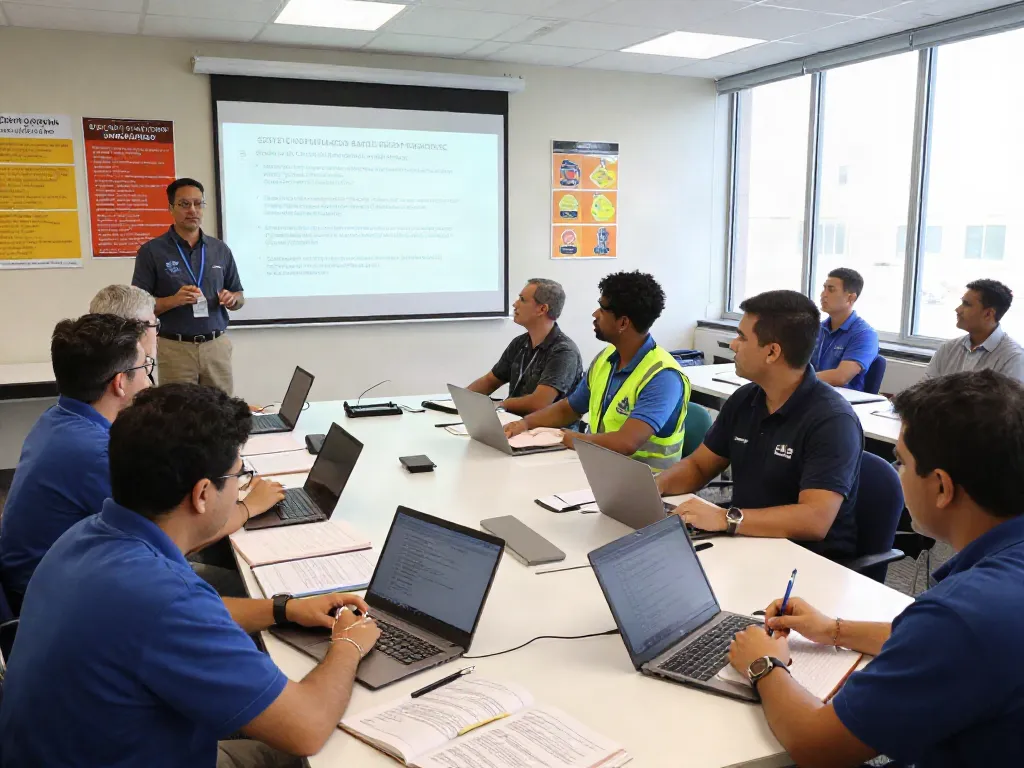
Understanding CSP Certification
The Certified Safety Professional (CSP) certification is an esteemed qualification aimed at enhancing the competencies of safety professionals globally. Developed by the Board of Certified Safety Professionals (BCSP), it represents a commitment to maintaining high standards in occupational safety and health. As industries evolve with emerging risks and challenges, the CSP credential equips professionals with the critical knowledge and skills necessary to promote workplace safety effectively. When exploring options, CSP Certification provides comprehensive insights that can be pivotal for your career trajectory.
What is CSP Certification?
CSP certification is a globally recognized credential that demonstrates a safety professional's expertise in safety practices and the ability to implement safety strategies effectively. Candidates for the CSP certification must undergo rigorous testing and must exhibit comprehensive knowledge in areas including risk management, safety regulations, and hazard prevention. This certification serves as a benchmark for professionals aiming to cement their status in the health and safety domain.
The Importance of CSP Certification
In today's multifaceted work environment, occupational safety is paramount. The CSP credential not only validates an individual’s proficiency in safety practices but also affirms their commitment to improving workplace conditions. Employers favor CSP-certified professionals as they signify reliability and ethical practice in managing safety protocols. CSP certification is pivotal for career advancement, resulting in greater responsibilities and leadership opportunities.
CSP Certification vs. Other Credentials
While there are various safety certifications available, the CSP credential is often seen as among the most prestigious. Unlike other credentials which may focus on specific industries or aspects of safety, CSP encompasses a broad spectrum of safety knowledge applicable across numerous sectors. This universality enhances its value, making CSP certification a preferred choice among safety professionals aiming for diverse career opportunities.
Eligibility Criteria for CSP Certification
Understanding the eligibility requirements for the CSP certification is crucial for prospective candidates. The CSP credential is not just about passing a test; it necessitates a blend of educational qualifications, professional experience, and dedication to continuous learning.
Qualifications Required for CSP Exam
To qualify for the CSP exam, candidates must hold a bachelor's degree or higher in a related field. This education requirement ensures that candidates have a foundational understanding of safety principles and practices. In addition to formal education, candidates must also demonstrate familiarity with safety standards and regulations applicable to their industry.
Work Experience Needed for CSP Certification
CSP candidates are required to have at least four years of professional experience in the health and safety field, where they are responsible for safety-related functions. This experience must include managing safety programs and engaging in safety management roles that align with CSP competencies, thus ensuring candidates possess practical skills in addition to theoretical knowledge.
Common Misconceptions About Eligibility
Many potential candidates often assume that CSP certification is only for those in senior management positions, but that is a misconception. The certification is designed for a wide range of professionals, including safety officers, engineers, consultants, and anyone committed to safety management. Furthermore, candidates sometimes believe that certifications from lesser-known organizations hold the same weight, but the CSP credential is widely recognized for its rigorous standards.
Benefits of Obtaining CSP Certification
Investing in CSP certification can yield significant professional and personal benefits. The credential reflects not only a commitment to safety but also a dedication to personal and professional growth.
Career Advancement Opportunities
CSP certification opens the door to advanced career opportunities. Many organizations prioritize hiring or promoting certified professionals to senior safety roles, enhancing their workplace safety standards. A CSP designation can qualify individuals for positions such as Safety Director, HSE Manager, or Compliance Officer, significantly increasing their job prospects and potential to influence workplace safety practices.
Increased Earning Potential for CSP Professionals
Statistical data indicates that professionals holding a CSP certification typically earn higher salaries compared to their non-certified counterparts. The added value of certification is reflected in salary surveys, which consistently show that CSPs command premium compensation, particularly in sectors such as oil and gas, construction, and manufacturing.
Global Recognition of CSP Credential
The CSP certification is recognized internationally, which enhances a professional’s credibility and marketability across borders. For those looking to work in multinational companies or organizations with global operations, holding a CSP credential can set them apart from other candidates, making them more appealing to employers who value standardized safety practices.
Preparing for the CSP Certification Exam
Preparation for the CSP exam requires strategic planning, as success is not solely determined by knowledge but also by the effectiveness of study techniques employed by candidates.
Study Materials and Resources Available
Numerous study materials are available for CSP exam candidates, including official BCSP publications, online courses, and workshops provided by various institutions, including Burraq Consulting. Utilizing a combination of textbooks, manuals, and practice exams will offer a comprehensive review of the necessary subject matter, ensuring candidates are well-prepared.
Tips and Strategies for Exam Success
Achieving a passing score on the CSP exam involves more than just rote memorization. Candidates should develop a study plan that includes a review of all exam domains, taking practice tests to gauge readiness, and forming study groups for collaborative learning. Effective time management during the exam itself is crucial, as many candidates find time constraints to be a significant challenge.
Mock Tests and Practice Questions
Taking mock exams can significantly boost a candidate’s confidence and test preparedness. Practice questions provide insight into the types of questions that may appear on the actual exam and help candidates identify areas where they may need further study. Incorporating mock tests into the study plan allows candidates to strengthen their exam strategies and fine-tune their knowledge.
Future Trends in Occupational Safety Certifications
The field of occupational safety is continually evolving, and staying abreast of emerging trends can be beneficial for professionals in the industry.
Emerging Developments in Safety Standards
As technologies advance, so do safety regulations and standards aimed at protecting workers. Current trends indicate a shift towards integrating technology and data analytics in safety practices, placing a premium on continuous education and adaptation to new methodologies. Professionals will need to stay informed about these changes to maintain their certification and relevance within the industry.
Impact of Technology on Safety Training
Technology has revolutionized safety training processes, with many organizations adopting e-learning platforms and virtual training environments to reach broader audiences. This development enhances accessibility and allows professionals to engage with training materials at their convenience. As online learning becomes more mainstream, achieving certifications like CSP will increasingly incorporate technology-driven methodologies.
Forecasting the Demand for Certified Safety Professionals
The demand for certified safety professionals is projected to grow alongside increasing awareness of workplace safety. Industries such as healthcare, manufacturing, and construction will continue to require skilled professionals to manage safety risks effectively. With heightened regulatory scrutiny and organizational responsibility for employee well-being, certified professionals will be in high demand.
What Should You Consider When Choosing CSP Certification?
When deciding to pursue CSP certification, potential candidates should consider the alignment of this credential with their career goals. Factors such as the value of the certification in their industry, anticipated career growth, and the availability of preparation resources should all weigh heavily in the decision-making process. Additionally, prospective candidates should assess whether they are prepared for the commitment that comes with studying for and maintaining certification.