
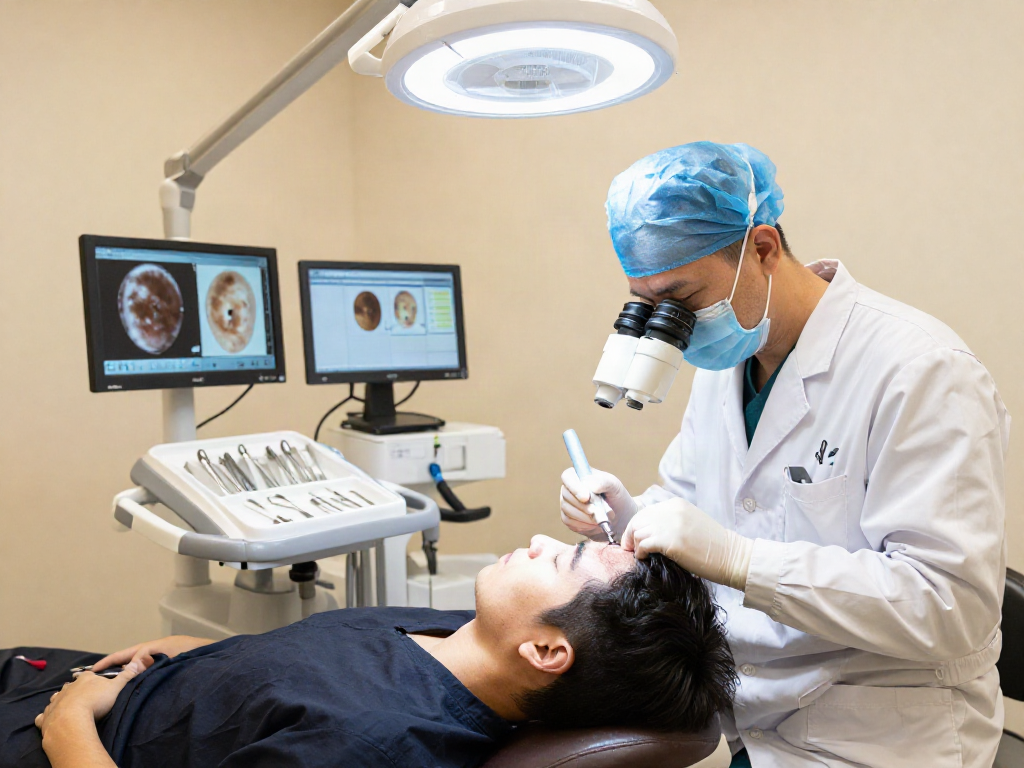
Understanding Hair Transplant Procedures and Their Costs
When considering hair restoration options, understanding the financial aspects can be daunting, particularly in popular destinations like Turkey. The hair transplant turkey price varies significantly based on various factors, making it essential to have a well-rounded understanding of what affects these costs and how to navigate them effectively. This article will explore the intricacies of hair transplant procedures, the cost implications, and how to choose a qualified clinic in Turkey.
What is a Hair Transplant?
A hair transplant is a surgical procedure that removes hair follicles from one part of the body, known as the donor site, and transplants them to a balding or thinning area of the scalp, referred to as the recipient site. This process is primarily used to treat male and female pattern baldness, as well as other forms of hair loss. The goal is to restore not just the hair’s aesthetics but also the confidence of the individual.
Different Types of Hair Transplant Techniques
There are primarily two types of hair transplant techniques: Follicular Unit Transplantation (FUT) and Follicular Unit Extraction (FUE).
- Follicular Unit Transplantation (FUT): This traditional method involves removing a strip of scalp from the donor area, from which individual follicular units are later dissected and transplanted. This method can leave a linear scar but typically allows for the transplantation of a larger number of grafts in a single session.
- Follicular Unit Extraction (FUE): In contrast, FUE involves harvesting individual hair follicles directly from the scalp using a specialized tool. This method is less invasive and leaves minimal scarring. FUE has gained popularity due to its quicker recovery time and less noticeable scars.
Factors Affecting Hair Transplant Turkey Price
Several key factors influence the cost of hair transplants in Turkey:
- Clinic Reputation: Established clinics with a proven track record and positive reviews may charge higher rates.
- Surgeon Experience: Experienced surgeons typically demand higher fees due to their skill and success rates.
- Location of the Clinic: Clinics in prestigious areas may have higher operational costs, impacting the overall price.
- Number of Grafts Required: The total cost is often determined by the number of grafts needed, which can vary significantly from patient to patient.
Evaluating the Cost of Hair Transplants in Turkey
Turkey has emerged as a hotspot for hair transplant surgeries, attracting both local and international patients seeking affordable yet high-quality procedures. Analyzing the costs involved can help patients make informed decisions.
Average Price Range for Hair Transplants
In Turkey, the average price for hair transplants generally ranges from $1,500 to $3,000, depending on the factors previously discussed. This is significantly lower than prices in Western countries, which can exceed $10,000 for similar procedures.
Price Comparison: Turkey vs. Other Countries
The cost of hair transplants in Turkey is highly competitive when compared to other countries. For instance:
- United States: Typically ranges from $4,000 to $15,000.
- United Kingdom: Prices range from $3,000 to $10,000.
- India: Generally between $1,000 and $4,000.
This price comparison underscores Turkey's appeal for many looking to undergo hair restoration without the hefty price tag.
What’s Included in the Hair Transplant Price?
The quoted price for hair transplants in Turkey typically includes several key components:
- Initial Consultation: A thorough examination and discussion of patient expectations.
- Medical Tests: Necessary evaluations to ensure patient eligibility.
- Procedure Costs: The actual cost of the transplant procedure, whether FUT or FUE.
- Post-Operative Care: Medications and follow-up consultations to monitor recovery.
Assessing Quality: How to Choose a Clinic
Selecting the right clinic is paramount to ensuring a successful hair transplant. Several factors should be considered to assess quality.
Licensing and Accreditation of Hair Transplant Clinics
Verify that the clinic has the necessary licenses and accreditations from relevant health authorities. This ensures that the clinic adheres to established standards of care.
Researching Surgeon Experience and Credentials
Investigate the surgeon’s qualifications, experience in performing hair transplant procedures, and specialties. A well-qualified surgeon can significantly affect the outcome of your procedure.
Patient Reviews and Testimonials
Reading patient reviews and testimonials can provide insights into others’ experiences. Look for consistency in positive feedback regarding results, care quality, and overall satisfaction.
Hidden Costs Associated with Hair Transplants
It's essential to be mindful of potential hidden costs that may arise during the hair transplant journey.
Understanding Additional Fees and Charges
Some clinics may charge extra for services such as specialized aftercare products, additional grafts beyond the initial package, or unexpected medical consultations. Always clarify what is included in the package before committing.
Post-Operative Care Costs
Post-operative care is vital for recovery and may come with additional costs. This can include follow-up visits, medications, and specialized shampoos to promote healing and hair growth.
Potential Travel and Accommodation Expenses
If you are traveling from abroad, consider the cost of flights and accommodation as part of your budget. Many clinics offer packages that include these services, making it convenient for patients.
Future Trends in Hair Restoration and Pricing
The hair restoration industry is continually evolving, with new technologies and practices emerging. Staying informed on these trends can help prospective patients anticipate changes in both procedures and pricing.
Advancements in Hair Transplant Technology
Innovations such as robotic hair transplant systems and improved graft harvesting techniques are enhancing the precision and efficacy of procedures. These advancements may lead to higher initial costs but can ensure better long-term results.
Predicted Changes in Turkey's Hair Restoration Market
As more patients seek procedures in Turkey, it's likely that prices may stabilize or even decrease due to increased competition and advancements in techniques, making this an ideal time to consider a transplant.
How to Make Informed Decisions in 2026
In 2026, potential patients should focus on thorough research, consult multiple clinics, and compare their offerings. Understanding the differences in procedures, recovery times, and costs will enable informed decision-making.
What are the Benefits of Traveling to Turkey for Hair Transplants?
Traveling to Turkey for hair restoration offers numerous benefits:
- Cost-Effectiveness: Prices are generally lower than in many Western countries.
- Quality Care: Many clinics boast highly trained staff and modern facilities.
- Comprehensive Packages: Many clinics offer all-inclusive packages that cover consultations, procedures, and accommodations.
How to Choose the Right Clinic?
To choose the right clinic, prioritize ones with positive patient reviews, transparent pricing, and accredited medical staff. Schedule consultations to assess their approach and gauge your comfort level.
What to Expect During Your Hair Transplant Journey?
Your journey will typically include an initial consultation, preparation for surgery, the procedure itself, and follow-up care. Being aware of each step can help you manage expectations and ease anxiety.
Are There Financing Options for Hair Transplants?
Many clinics offer financing options that allow patients to spread the cost over time. It’s advisable to inquire about these options during your consultation to find what best suits your financial situation.
What Are Common Risks or Complications?
As with any surgical procedure, hair transplants carry potential risks, including infection, scarring, and the possibility of not achieving desired results. Discuss these risks with your surgeon during consultations.
What Aftercare is Required Post-Procedure?
Post-procedure care is crucial for optimal results. Patients should follow all aftercare instructions provided by their surgeon, which typically include avoiding strenuous activities, using specific shampoos, and attending follow-up appointments to monitor healing.