Understanding the Importance of Holistic Development in Preschool
In today's rapidly changing world, early childhood education must emphasize holistic development to foster well-rounded individuals. Holistic development encompasses the cognitive, emotional, social, and physical growth of children, recognizing that these areas are interlinked. At Pegasus International Preschool, we prioritize this approach, ensuring that each child receives a comprehensive educational experience that prepares them for lifelong learning. When considering options for your child's education, Best preschool Singapore can provide invaluable insights into how to create an enriching environment.
What Does Holistic Development Mean?
Holistic development refers to the integrated growth of a child across various domains. This includes cognitive skills (thinking and understanding), emotional capacities (self-regulation and empathy), social abilities (interpersonal skills and teamwork), and physical health (motor skills and fitness). A holistic educational philosophy acknowledges that children come to preschool with diverse backgrounds, experiences, and interests, and it is essential to cater to these differences through tailored learning experiences.
Key Areas of Focus for Early Childhood Growth
- Cognitive Development: Involves enhancing children's thinking and understanding through exploration and inquiry.
- Social Development: Encourages positive interactions with peers, teaching them how to communicate and collaborate effectively.
- Emotional Development: Fosters self-awareness and emotional regulation, helping children understand their feelings and those of others.
- Physical Development: Promotes gross and fine motor skills, encouraging active play and healthy lifestyle choices.
Benefits of a Holistic Approach in Education
Adopting a holistic approach provides numerous advantages. It enables children to develop a balanced skill set, preparing them for future academic success and life challenges. Children learn to think critically and creatively, manage emotions, build relationships, and maintain physical health. Moreover, this method cultivates a sense of confidence and independence, encouraging children to become proactive learners and responsible individuals.
The Pegasus International Preschool Curriculum Explained
At Pegasus International Preschool, our curriculum is designed to be engaging and interactive, rooted in an inquiry-based learning model that prioritizes exploration and curiosity. This approach is vital in helping children develop a love for learning, as they engage with their surroundings actively. Our commitment to a child-centered curriculum distinguishes us from traditional education models and nurtures a generation of lifelong learners.
Overview of the Inquiry-Based Learning Model
The inquiry-based learning model is an educational philosophy that emphasizes the importance of questions and curiosity. Rather than presenting information for rote learning, we encourage children to ask questions, explore, and seek answers through hands-on experiences. This model enhances critical thinking skills and promotes deeper understanding, as children learn to connect concepts across various subjects.
Core Subjects and Activities Offered
- Language and Literacy: Activities to develop reading, writing, and communication skills through storytelling, songs, and interactive discussions.
- Mathematics: Engaging activities that build foundational math skills using games, puzzles, and real-world applications.
- Art and Creativity: Encouraging self-expression through various mediums, allowing children to explore colors, shapes, and textures.
- Physical Education: Activities designed to promote physical fitness, motor skills, and teamwork through sports and outdoor play.
How the Curriculum Encourages Creativity and Curiosity
Our curriculum is designed to ignite children's natural curiosity and creativity. By incorporating play-based learning, we enable children to explore different formats of learning—be it through arts, science experiments, or outdoor exploration. This variety of experiences fosters an environment where children are excited to learn and are motivated to discover new things about the world around them.
Creating a Conducive Learning Environment
Creating an effective learning environment is critical to the success of any educational program. At Pegasus International Preschool, we have carefully designed our facilities to ensure they are conducive to learning while being accessible and engaging for young children. This environment supports our holistic approach to education and enhances overall child development.
Elements of a Child-Friendly Classroom
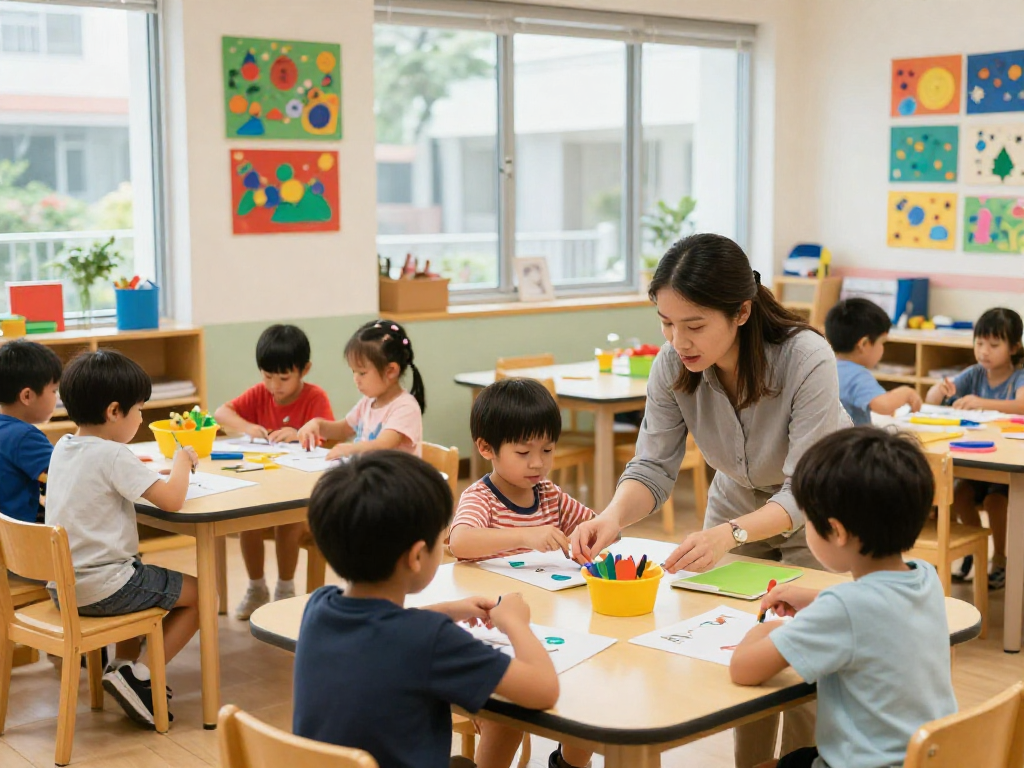
Our classrooms feature bright colors, interactive learning stations, and ample space for movement and exploration. Each area is designed to promote various forms of play—whether it be sensory play, imaginative role-play, or collaborative group activities. Essential elements include:
- Flexible Seating: Allowing children to choose their workspaces and collaborate comfortably with peers.
- Interactive Learning Stations: Designated areas for hands-on activities that promote inquiry learning.
- Resource Availability: Access to books, art supplies, and technology that cater to diverse learning styles.
The Role of Outdoor Exploration in Learning
Outdoor learning plays a significant role in children's development at Pegasus. Our expansive outdoor areas provide children with opportunities to engage in physical activity and explore different natural environments. This exploration promotes sensory experiences, enhances motor skills, and facilitates social interaction, as children learn to work together in a shared space.
How Environment Enhances Social Interaction and Learning
The environment is often referred to as the "third teacher" in early childhood education. By creating spaces that encourage collaboration and communication, children learn valuable social skills naturally. In our classrooms and outdoor areas, children are given opportunities to engage with one another, share ideas, and solve problems collectively, fostering a strong sense of community.
Engaging Parents in the Learning Process
Parental involvement is a cornerstone of the educational philosophy at Pegasus International Preschool. We believe that when parents actively participate in their child's education, it enhances the overall learning experience. We offer numerous opportunities for parents to engage with us and their children in meaningful ways.
Strategies for Encouraging Parental Involvement
- Regular Communication: Keeping parents informed through newsletters, meetings, and informal check-ins to discuss their child's progress.
- Workshops and Events: Organizing family-centric activities that encourage collaboration between parents and children, such as art days or discovery walks.
- Volunteer Opportunities: Inviting parents to assist in classroom activities, fostering a sense of community and partnership.
Benefits of Family-Teacher Partnerships
Building strong partnerships between families and teachers leads to better educational outcomes for children. These partnerships create an atmosphere of trust and collaboration, whereby parents feel empowered to support their children's learning at home. Furthermore, teachers gain valuable insights into the children's home environments, allowing for more tailored educational experiences.
Resources for Parents to Support Learning at Home
We provide families with resources and tools to reinforce learning outside of school. This may include guides on developmental milestones, educational activities to explore at home, and suggested reading materials. By providing these resources, we empower parents to be their child's first teachers and champions of lifelong learning.
Preparing Your Child for Lifelong Learning
In an ever-evolving world, preparing children for lifelong learning is a fundamental goal of our preschool program. We aim to instill skills and attitudes that will serve them well into their academic careers and beyond.
Identifying Lifelong Learning Skills in Preschoolers
Critical skills for lifelong learning include curiosity, adaptability, problem-solving, and effective communication. At Pegasus, we encourage children to ask questions and seek answers, helping them develop imaginative thinking and resilience—key components of successful learners.
Activities to Promote Independent Thinking and Exploration
Engaging children in activities that foster independent thinking is vital. This could be as simple as allowing children to choose their projects or encouraging them to explore topics that interest them deeply. By giving them a sense of ownership in their learning, we cultivate curiosity and initiative.
Future Trends in Preschool Education for 2026 and Beyond
As we look to the future, preschool education will likely continue to evolve, incorporating technology in innovative ways while maintaining a strong focus on social-emotional learning. Personalized learning experiences, where children can progress at their own pace and explore subjects deeply, will become much more prevalent.
How to Foster Adaptability and Cultural Appreciation?
In a globalized world, fostering adaptability and cultural appreciation is essential. At Pegasus International Preschool, we celebrate diversity by incorporating multicultural themes into our curriculum, encouraging children to respect and appreciate varying perspectives from a young age. Activities that involve different cultural celebrations, food tastings, and storytelling will help children develop a broader worldview and empathy toward others.