
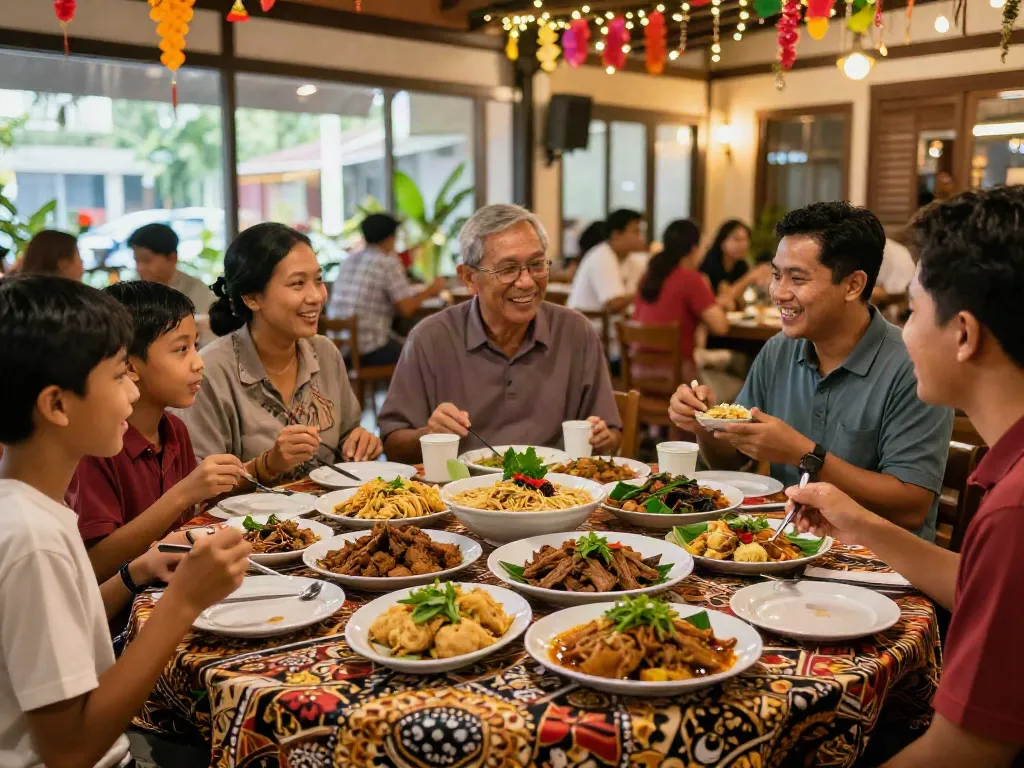
Understanding Nyonya4D: A Cultural Overview
Nyonya4D is more than just a culinary experience; it embodies the rich tapestry of cultural history intertwined with the flavors and aromas of Peranakan cuisine. Born from the marriage of Chinese immigrants and local Malays, Nyonya cuisine stands as a testament to the exquisite fusion of two distinct culinary traditions. When exploring options, nyonya4d provides comprehensive insights into this fascinating world, showcasing vibrant dishes, traditional cooking techniques, and the values that define the Nyonya community.
What is Nyonya4D?
Nyonya4D refers to the Nyonya culture, which is celebrated through its food, clothing, and ceremonies. The term 'Nyonya' specifically denotes the women of this culture, and their culinary arts reflect generations of family recipes passed down through time. Nyonya cuisine is renowned for its unique flavors, which often include a mix of spicy, sour, sweet, and salty. This complexity is achieved through various ingredients, including herbs, spices, and fresh produce that are integral to the region.
The Significance of Nyonya Cuisine
Nyonya cuisine holds significant cultural importance as it serves as a medium for storytelling, community bonding, and identity preservation. Each dish is often associated with specific rituals and traditions, marking important life events such as weddings, births, and festivals. Dishes like Laksa, a spicy noodle soup, and Kueh, a variety of traditional cakes, symbolize the Nyonya's commitment to culinary excellence and cultural continuity.
Historical Context and Evolution
The origins of Nyonya cuisine can be traced back to the 15th century during the Malacca Sultanate when Chinese traders began to settle in the region. As they intermarried with local Malays, a new cultural and culinary identity emerged. Over centuries, Nyonya cuisine evolved by incorporating local ingredients and traditional Malay cooking techniques. Today, it is celebrated as an essential part of Malaysia's heritage and is gaining recognition worldwide.
Safety Precautions for Using Nyonya4D
As with any culinary experience, it's crucial to adhere to certain safety precautions when indulging in Nyonya cuisine. The freshness and quality of ingredients play an essential role in food safety, particularly when enjoying these vibrant flavors. Understanding best practices can help ensure a safe and enjoyable dining experience.
Best Practices for Food Safety
- Choose Fresh Ingredients: Always opt for locally-sourced and in-season produce to ensure quality and flavor.
- Proper Cooking Techniques: Traditional Nyonya dishes often involve intricate cooking methods. Familiarize yourself with necessary cooking times and temperatures to avoid any foodborne illnesses.
- Hygiene Matters: Personal hygiene is paramount; practice proper handwashing and equipment sanitation before cooking.
Awareness of Cultural Etiquette
Cultural etiquette is especially important when dining in Nyonya restaurants or homes. Understanding the customs surrounding food sharing, dining etiquette, and the significance of certain dishes can enhance your experience and show respect to the culture.
Choosing Reputable Establishments
When exploring Nyonya dining options, it's vital to select reputable establishments known for their commitment to authenticity and quality. Look for reviews, recommendations, and the establishment's history to ensure that you are receiving a true Nyonya experience.
Common Misconceptions about Nyonya4D
Debunking Myths
Despite its rising popularity, several myths surround Nyonya cuisine. One common misconception is that it relies solely on spicy flavors. In reality, Nyonya dishes incorporate a spectrum of tastes and ingredients that reflect balance and harmony in flavor.
Understanding Cultural Appropriation vs. Appreciation
In recent years, discussions about cultural appropriation and appreciation have become more prominent, particularly in the culinary world. It's essential to approach Nyonya cuisine with an understanding of its cultural significance and a commitment to respecting its heritage.
Challenges Facing the Nyonya Community
Despite its rich heritage, the Nyonya community faces challenges, including the dilution of cultural practices and the younger generations’ disconnection from traditional cooking methods. Supporting community initiatives can help preserve these vital cultural elements.
Future Trends in Nyonya4D Cuisine
Innovative Dining Experiences
The future of Nyonya cuisine is likely to witness innovative dining experiences that incorporate modern gastronomy techniques. Chefs are experimenting with molecular gastronomy and fusion cuisine, presenting traditional dishes in new and exciting ways.
Integration of Technology in Culinary Arts
Technology is playing an increasingly significant role in the culinary world. From online cooking classes to recipe apps, the integration of technology can help revive interest in Nyonya cuisine, providing access to recipes and techniques that may otherwise be lost.
Market Growth Projections for 2026
The global culinary market is projected to grow significantly in the coming years, with Nyonya cuisine poised to be an attractive option for food enthusiasts. Increasing globalization and a growing interest in diverse culinary experiences may lead to Nyonya4D becoming a staple in international dining scenes.
Engaging with the Nyonya4D Community
Connecting with Local Nyonya Groups
Engaging with local Nyonya groups can enhance your understanding of this rich cultural heritage. Participating in community events and gatherings is a great way to learn from experienced cooks and immerse yourself in the culture.
Participating in Cultural Events
Cultural events such as food festivals, cooking classes, and workshops are excellent opportunities for individuals interested in Nyonya cuisine. These gatherings celebrate the diversity of flavors and traditions while fostering community interaction.
Support for Nyonya Cuisine Entrepreneurs
Supporting Nyonya cuisine entrepreneurs is crucial for sustaining and growing the cultural landscape. By dining at local Nyonya restaurants or purchasing homemade products, you contribute to the preservation and promotion of this beautiful culinary tradition.