
Understanding the Role of Food Cooperatives in Community Health
In recent years, food cooperatives have emerged as critical pillars of community health and well-being, particularly in rural areas like Sonoma Valley. These cooperatives not only provide access to fresh, local produce but also foster a sense of community, support local farmers, and address food insecurity. With the ongoing challenges posed by economic fluctuations and community health disparities, understanding the benefits and functionality of food co-ops is more important than ever. For those interested in the latest updates related to these initiatives, springshall.org serves as a valuable resource.
What is a Food Cooperative?
A food cooperative, commonly known as a food co-op, is a grocery store owned and operated by its members, who are usually local residents committed to improving their community's access to healthy food. These cooperatives often prioritize organic, sustainably sourced, and locally grown products. By pooling resources, co-op members can offer high-quality goods at competitive prices, making healthy eating accessible to more people. The democratic structure of co-ops also ensures that decision-making reflects the needs of the community.
The Impact of Local Food on Community Wellness
Access to fresh, locally sourced food has profound implications for community health. Studies have shown that communities with strong local food systems experience lower rates of diet-related diseases. Local produce is often richer in nutrients due to shorter transportation times and can stimulate the local economy by keeping money within the community. Furthermore, food cooperatives foster education about nutrition and sustainable practices, empowering consumers to make informed choices.
History and Growth of Food Cooperatives in Sonoma Valley
Sonoma Valley's history of food cooperatives dates back several decades, rooted in the community's agricultural heritage. The cooperative movement gained momentum in the 1970s and has expanded significantly since then, with multiple initiatives emerging to support local farmers and reduce food insecurity. Organizations like Sonoma Overnight Support and Farmer’s Friend have played pivotal roles in enhancing local food access, particularly during times of crisis, such as the COVID-19 pandemic.
Current Events and Activities at Sonoma Springs Hall
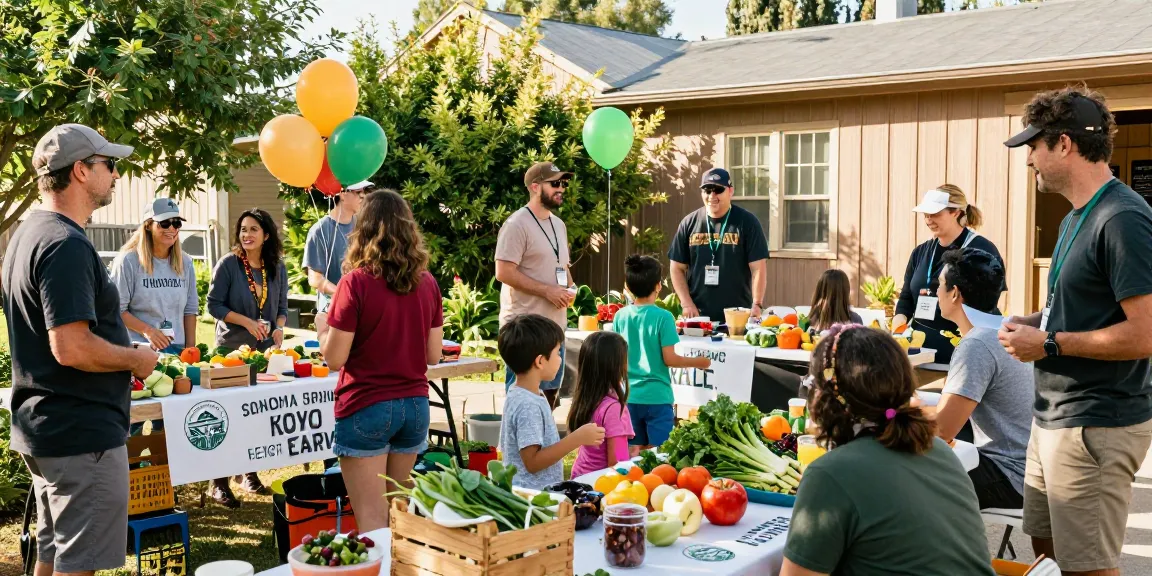
Sonoma Springs Hall has become a central hub for food distribution and community engagement. Various events centered around food security and local agriculture are regularly hosted, including pop-up markets and volunteer days. These gatherings not only provide essential services but also encourage community members to connect and collaborate toward common goals.
Overview of Recent Food Distributions
Recent food distributions at Sonoma Springs Hall have highlighted the commitment of local farmers to support their community. Through partnerships with organizations like Food For All, over 4,000 pounds of produce have been distributed to families in need. Events feature a variety of fresh fruits and vegetables, showcasing the best of local agricultural offerings. The distributions not only provide immediate relief but also raise awareness about local food systems.
Volunteer Opportunities at Sonoma Springs Hall
Community involvement is vital to the success of Sonoma Springs Hall's initiatives. Volunteers play essential roles in organizing food distributions, gleaning produce from local farms, and raising awareness about food cooperatives. Opportunities abound for individuals of all ages to contribute, whether through physical labor, administrative support, or educational outreach. Engaging with local food systems through volunteer work also fosters a deeper connection with the community.
Upcoming Events and Workshops Schedule
Sonoma Springs Hall hosts a variety of events aimed at educating the community about food cooperatives and sustainable agriculture. From workshops on gardening and food preservation to discussions with local farmers, these events are designed to empower residents with knowledge and skills to enhance their food security. Keeping an eye on the event calendar is crucial for those seeking to get involved and contribute to community wellness.
Connecting Local Farmers to the Community
One of the key advantages of food cooperatives is their ability to connect local farmers directly with community members. This not only benefits consumers through access to fresh produce but also provides farmers with a sustainable market for their goods.
How Farmer’s Friend Program Works
The Farmer’s Friend program is an exemplary initiative designed to bridge the gap between local farmers and those in need. By coordinating with various farms, the program collects surplus produce that may otherwise go to waste and redistributes it to vulnerable populations. This model not only alleviates food insecurity but also supports local agriculture by ensuring farmers receive fair compensation for their products.
Benefits of Buying Local Produce
Purchasing local produce has numerous benefits. Not only does it support the local economy, but it also reduces the carbon footprint associated with transporting food across long distances. Local food is typically fresher and more nutritious, retaining more vitamins and minerals than food that has traveled for days. Furthermore, buying local fosters relationships between consumers and producers, enhancing community bonds and accountability.
Collaboration with Local Farms and Businesses
Collaboration is at the heart of effective food cooperatives. By working closely with local farms and businesses, food co-ops can create robust supply chains that benefit the community. This synergy allows for innovative projects, such as community-supported agriculture (CSA) programs, where consumers can buy shares in a farm's harvest. Such collaborations also promote education about sustainable practices and biodiversity, which are essential for the health of the local ecosystem.
Challenges Faced by Food Cooperatives and Solutions
While food cooperatives play a crucial role in community health, they also face various challenges that must be addressed to ensure sustainability and growth.
Addressing Accessibility Issues in Food Distribution
Accessibility remains a significant issue for many communities seeking fresh food options. Factors such as transportation, socioeconomic status, and knowledge about available resources can hinder access to local produce. Food cooperatives can expand outreach efforts, facilitating transportation solutions and providing information on how to access their services. Innovative strategies, such as mobile markets and partnerships with local transit authorities, could significantly increase food accessibility.
Engaging the Community for Sustainable Support
Building a strong sense of community is essential for the long-term viability of food cooperatives. Engaging local residents through events, volunteer opportunities, and educational workshops fosters a culture of involvement and investment. Regular feedback mechanisms can also be implemented to ensure that the needs of the community are continuously being met and that members feel their voices are heard.
Innovative Approaches to Enhance Food Security
To address the evolving challenges of food security, cooperatives are employing innovative approaches. Technology has become a critical asset in enhancing food distribution networks, allowing co-ops to track inventory, manage orders, and streamline processes. Additionally, incorporating educational programs that teach gardening skills or cooking classes can empower community members with the tools they need to make healthier food choices.
Future Trends in Food Cooperatives and Community Involvement
The landscape of food cooperatives is continually evolving, driven by changing consumer preferences and the need for greater sustainability. Looking ahead to 2026, several trends are likely to shape the future of food co-ops.
Predictions for Food Cooperatives by 2026
As awareness of health and environmental issues increases, food cooperatives are expected to expand their role in promoting sustainability. This may include the integration of more regenerative farming practices, increased use of renewable resources, and enhanced transparency regarding product sourcing. The demand for plant-based options will also continue to grow, leading many co-ops to broaden their product lines to accommodate diverse dietary needs.
Adapting to Changing Consumer Preferences
Consumer preferences are shifting toward transparency, sustainability, and convenience. Food cooperatives must adapt by leveraging technology for more efficient operations and enhancing online sales platforms. Offering home delivery services or pick-up options can also meet the needs of busy consumers looking for convenient access to fresh food.
Leveraging Technology for Better Community Engagement
Technology can enhance community engagement through online platforms that allow members to interact, share recipes, or discuss local food issues. Social media campaigns can raise awareness about upcoming initiatives and success stories, inspiring others to participate. Additionally, using data analytics can help co-ops better understand consumer demand, leading to more tailored offerings that meet community needs.
How can I participate in events at Sonoma Springs Hall?
Participating in events at Sonoma Springs Hall is simple. Community members can keep an eye on the Hall's event calendar and sign up for newsletters to stay informed about upcoming activities. Volunteering is another great way to get involved, allowing individuals to contribute directly to their community while learning more about local food systems.
What types of produce are available through local food programs?
Local food programs typically offer a variety of seasonal produce, including fruits, vegetables, grains, and herbs. Depending on the time of year, community members can expect to find everything from tomatoes and peppers in summer to root vegetables and greens in winter. The emphasis is often on organic and sustainably grown options to promote health and wellness.
Why are food cooperatives vital for local economies?
Food cooperatives play a vital role in local economies by supporting local farmers and businesses, keeping money within the community. They create jobs and provide training opportunities while ensuring that residents have access to quality nutrition. By fostering a resilient local food system, cooperatives contribute significantly to the economic stability of their regions.
How has COVID-19 affected food distribution efforts?
The COVID-19 pandemic has highlighted vulnerabilities in food distribution networks, leading to increased demand for local food access. Many food cooperatives adapted by expanding their services, implementing safety protocols, and enhancing outreach efforts to reach those most affected by the crisis. This adaptability has underscored the importance of community resilience in times of uncertainty.
What role do volunteers play in sustaining food programs?
Volunteers are the backbone of food programs like those at Sonoma Springs Hall. Their efforts in distribution, gleaning, and organizing events ensure that food reaches those in need. Volunteers also help foster a sense of community, building connections among residents that strengthen local food systems. Through their dedication, volunteers empower the community to thrive.