
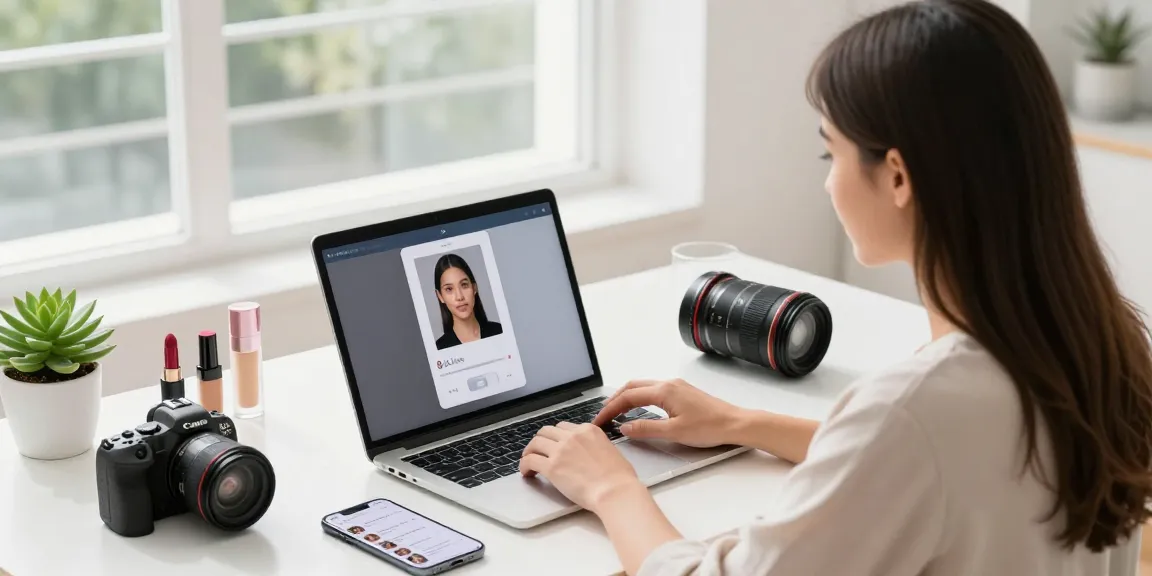
Understanding the Test of Attractiveness
The concept of beauty is an enigma that has intrigued humanity for centuries. In the age of technology, the test of attractiveness has emerged, allowing individuals to gain a data-driven perspective on their appeal based on facial features. This article explores the intricacies of attractiveness testing, how artificial intelligence plays a role in these assessments, and the social implications of such evaluations.
What Is an Attractiveness Test?
An attractiveness test is a tool that uses various metrics to evaluate a person's physical appeal. Generally, these tests rely on specific criteria like facial symmetry, the golden ratio, and other standardized beauty metrics. With the rise of artificial intelligence, several platforms have developed sophisticated algorithms to assess images uploaded by users, providing them with a score and feedback about their facial features.
How Do AI Tools Work?
AI attractiveness tests function through advanced algorithms that analyze facial landmarks, symmetry, and proportions. These tools evaluate numerous parameters, including the distance between the eyes, the width of the nose, and the ratio of the face length to its width. By comparing these attributes against idealized standards, AI tools can generate an attractiveness score, often on a scale from 1 to 10 or 1 to 100. This data-driven approach offers a more objective means of defining beauty, diverging from traditional subjective judgments.
Importance of Attractiveness in Social Contexts
Attractiveness plays a significant role in social interactions and perceptions. Studies indicate that people deemed more attractive often enjoy benefits such as increased social opportunities, better job prospects, and positive biases in interpersonal relationships. Understanding one's attractiveness score can influence self-esteem and self-worth, prompting individuals to engage more confidently in social scenarios.
How to Take an Effective Attractiveness Test
For those considering taking an attractiveness test, it is essential to approach it strategically to ensure accurate results. Here are some tips to maximize the effectiveness of your experience.
Choosing the Right Photo
The quality of the photo uploaded can significantly impact the test results. Opt for high-resolution images taken in natural lighting, which showcase your face clearly without heavy shadows or harsh highlights. A neutral expression is often recommended, as overly exaggerated facial expressions can skew results. Additionally, ensure that your face occupies most of the frame, eliminating distractions in the background.
Understanding Rating Criteria
Familiarizing yourself with how attractiveness tests evaluate photos can provide valuable insights. Most tests will assess features such as symmetry, ratio, and overall facial harmony. Understanding these criteria allows individuals to reflect on their natural appearance and potentially identify areas for improvement.
Common Mistakes to Avoid
- Poor Photo Quality: Always use a clear and high-resolution photo.
- Exaggerated Expressions: Neutral expressions yield the most reliable results.
- Over-editing: Avoid using heavy filters that may alter your true appearance.
Factors That Influence Attractiveness Scores
Numerous factors can affect the outcome of an attractiveness test, moving beyond mere physical characteristics.
Facial Features and Symmetry
Facial symmetry is one of the most significant physical aspects considered in attractiveness testing. Research suggests that symmetrical faces are often perceived as more attractive due to evolutionary biology; symmetry is associated with genetic health. Furthermore, specific features such as strong jawlines, full lips, and clear skin can elevate attractiveness scores.
Cultural Perceptions of Beauty
Beauty standards vary dramatically across different cultures and societies. What is attractive in one region may not hold the same value in another. For instance, while fair skin may be revered in some cultures, others may prefer tanned or darker complexions. Understanding these cultural nuances is vital for interpreting attractiveness scores correctly.
Emotional Expression in Photos
The emotional tone conveyed through facial expressions also influences attractiveness ratings. Smiling faces are often rated higher than neutral or frowning images, as positive emotions are generally associated with warmth and approachability. Thus, being aware of how expressions can impact scores can help individuals present themselves more favorably.
Improving Your Attractiveness Score
Having gained insight into how attractiveness is measured, many individuals may wish to enhance their attractiveness scores. Here are some actionable strategies to consider.
Beauty Techniques and Tips
Makeup can play a transformative role in enhancing physical appearance. Learning techniques that highlight natural features, such as contouring to define the jawline or using highlighter to accentuate cheekbones, can positively impact how one is perceived in attractiveness tests. Furthermore, applying makeup suited to one’s skin tone can create a more harmonious appearance.
Skincare and Makeup Application
Healthy skin is often viewed as a hallmark of beauty. Establishing a consistent skincare routine to cleanse, exfoliate, and moisturize can greatly improve skin texture and appearance. Additionally, understanding how to apply makeup — from foundation to eye makeup — to enhance natural features can help you achieve the best results in attractiveness assessments.
Enhancing Confidence and Presence
Confidence plays a pivotal role in perceived attractiveness. Engaging in activities that foster self-esteem, such as public speaking or joining social groups, can enhance one’s presence, which is often intangible yet influential in how attractiveness is perceived. Remember, a confident demeanor can significantly affect social interactions and overall attractiveness.
The Future of Attractiveness Testing
As technology evolves, so do the methods and implications of attractiveness testing. The future is likely to bring even more sophisticated AI tools and cultural insights into beauty standards.
Emerging Trends in AI and Beauty
With advancements in AI, tools are becoming more nuanced, analyzing not only facial features but also factors like cultural beauty preferences and emotional intelligence reflected in photos. Future tests may incorporate virtual reality or augmented reality to offer an immersive self-assessment experience.
Impact on Self-Perception and Mental Health
As attractiveness testing becomes more widespread, there may be broader implications for self-perception and mental health. The opportunity to receive objective feedback could empower some while leading others to discover insecurities. Balancing self-acceptance with such evaluations will be crucial.
Predictions for 2026 and Beyond
Looking ahead to 2026, we may see a surge in personalized beauty apps that integrate real-time feedback and guide users toward enhancing their attractiveness effectively. Additionally, there may be a growing emphasis on mental health, encouraging users to engage with these tests in a constructive and positive manner.
What are the best practices for taking an attractiveness test?
Ensure you choose a clear, high-quality photo and understand the factors involved in the scoring process to get the most accurate results.
How does the AI attractiveness test differ from traditional beauty standards?
AI tests provide an objective analysis based on data, while traditional beauty standards often rely on subjective societal norms.
Can attractiveness scores impact social interactions?
Yes, attractiveness scores can influence confidence levels and the perception of individuals in social and professional contexts.
What technology is behind AI attractiveness tests?
AI attractiveness tests leverage machine learning algorithms that analyze facial features against established beauty metrics for scoring.
Will attractiveness testing evolve in the future?
As AI and beauty industries progress, we can expect more advanced testing methods and a greater understanding of diverse beauty standards.