
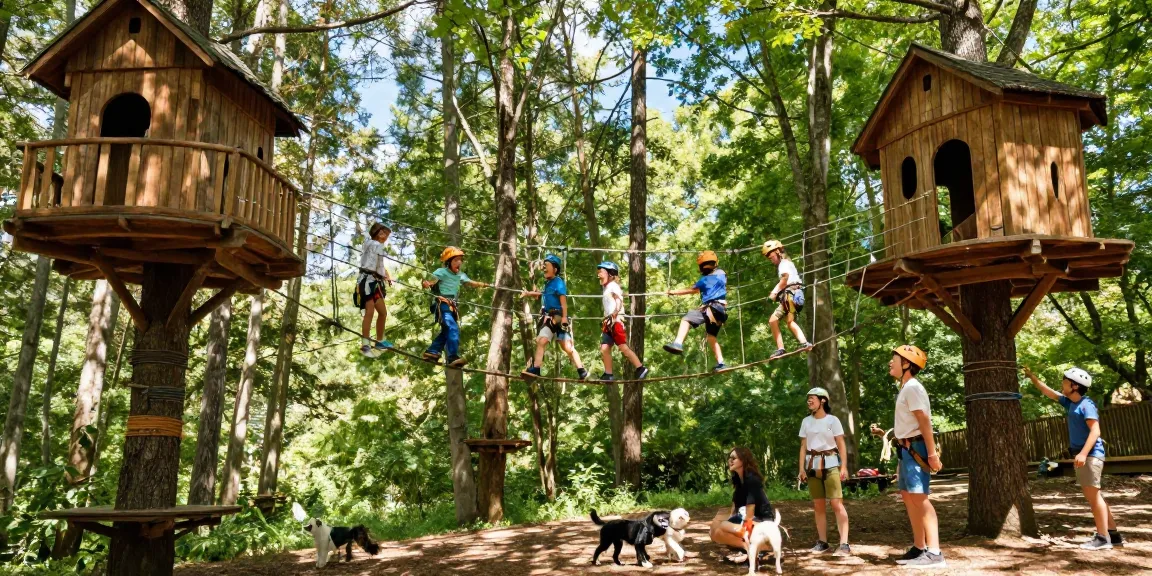
Understanding Rope Bridges: Structure and Design
Rope bridges have been a staple in various cultures for centuries, serving as both functional pathways and remarkable feats of engineering. These unique structures are designed to span gaps between land or to serve as crossings over rivers and ravines, often employing natural materials and traditional construction techniques. With the rising popularity of outdoor activities and adventure sports, understanding the intricacies of rope bridges has never been more relevant. When exploring options, Rope Bridge designs can offer comprehensive insights for enthusiasts looking to incorporate this captivating feature into their outdoor spaces.
What is a Rope Bridge?
A rope bridge, also known as a suspension bridge, is typically made of ropes and planks, allowing for a lightweight and flexible structure that can adapt to various terrains. These bridges are notable for their ability to accommodate substantial spans without the need for heavy supports. Historically, they were constructed by indigenous communities using locally available materials, and today they are frequently used in recreational settings such as treehouses, adventure parks, and as components in team-building exercises.
Types of Rope Bridges: Choosing the Right Design
There are several types of rope bridges, each with unique features and uses. Here are a few common designs:
- Classic Suspension Bridge: The traditional design relies on tensioned ropes to support a platform, ideal for spanning rivers or deep gorges.
- Commando Bridge: A more challenging variant that often features only one or two ropes, which require a higher level of balance and coordination.
- Postman Bridge: Utilizing two ropes, this design allows for a more stable crossing, suitable for both adults and children.
Materials Used for Building Rope Bridges
The materials used in constructing rope bridges greatly affect their durability, safety, and overall aesthetic. Common choices include:
- Natural Fibre Ropes: Traditional options like sisal or jute are often used, although they may not withstand the elements as well as synthetic alternatives.
- Synthetic Ropes: Materials such as nylon and polyester provide exceptional strength and durability, making them popular choices for modern rope bridges.
- Wooden Planks: Used for the bridge deck, the choice of wood can impact both safety and appearance, with pressure-treated varieties offering increased resistance to rot.
Safety First: Ensuring Secure Rope Bridge Construction
While the allure of rope bridges lies in their adventurous nature, safety must always be the top priority in their construction and use. Adhering to safety protocols ensures that users can enjoy the experience without undue risk.
Essential Safety Gear for Rope Bridge Use
When using or constructing a rope bridge, the appropriate safety gear is crucial. Some essential items include:
- Helmet: Protects against falling debris and ensures head safety during crossings.
- Harness: A well-fitted harness prevents falls, especially in high or challenging areas.
- Carabiners: These metal clips provide safe attachment points for harnesses and ropes.
Common Safety Hazards and How to Avoid Them
While rope bridges can be thrilling, they also pose specific hazards. Common dangers include:
- Slippery Surfaces: Ensure that the bridge deck is designed with non-slip materials or features to prevent accidents.
- Improper Weight Distribution: Always limit the number of people on the bridge at any one time to avoid excessive strain on the structure.
- Weather Conditions: Strong winds or rain can increase risk factors; avoid using the bridge in such conditions.
Maintenance Tips for Long-lasting Bridges
Regular maintenance is key to prolonging the life of your rope bridge. Consider the following tips:
- Regular Inspections: Check for wear and tear on ropes, anchors, and the bridge deck periodically.
- Treatment of Wooden Components: Apply protective treatments to wooden parts to resist rot and pest damage.
- Rope Replacement: Replace any frayed or damaged rope immediately to maintain safety standards.
Building Your Own Rope Bridge: A Step-by-Step Guide
For those keen on hands-on projects, constructing a rope bridge can be an exciting and rewarding endeavour. This section will provide a detailed guide to help you get started.
Gathering Necessary Materials and Tools
Before embarking on building your rope bridge, gather all required materials and tools:
- Rope: Choose high-quality ropes suited for the intended weight load.
- Wooden Planks: Secure sturdy planks for the bridge deck.
- Tools: Essential tools include a saw, drill, measuring tape, and level.
Planning Your Bridge Layout and Measurements
Effective planning is crucial for the construction of a stable rope bridge. Ensure you:
- Measure the Span: Determine the length between anchor points for accurate measurements.
- Design the Layout: Sketch the bridge layout, including the placement of ropes and planks.
- Evaluate Terrain: Consider the ground stability and incline where the bridge will be installed.
Construction Techniques for Stability and Strength
Implementing proper construction techniques can significantly enhance the stability and strength of your rope bridge:
- Anchor Points: Use strong and secure anchors to attach the ropes to trees or posts.
- Layering Planks: When placing wooden planks, overlap them for additional strength and stability.
- Tensioning Ropes: Ensure the ropes are taut to prevent sagging and enhance the bridge's resilience.
Creative Uses for Rope Bridges in Outdoor Activities
Rope bridges are not only functional but can also enhance the enjoyment of outdoor activities. Here are some innovative ways to incorporate them:
Enhancing Play Areas: Rope Bridges for Kids
Integrating rope bridges into children's play areas encourages adventurous play. These structures foster physical activity while enhancing motor skills and coordination. A well-designed rope bridge can provide hours of imaginative play and exploration.
Rope Bridges in Team Building Exercises
Rope bridges serve as fantastic tools for team building. They can encourage collaboration and problem-solving as participants need to navigate the bridge together, fostering teamwork and communication skills—key aspects in both personal and professional development.
Incorporating Rope Bridges into Adventure Parks
Adventure parks can significantly benefit from the addition of rope bridges, offering thrilling challenges for visitors. These structures can serve as elements in zip-line courses or obstacle routes, enhancing the overall experience of park-goers.
Future Trends in Rope Bridge Designs and Usage
As we move towards 2026, the design and application of rope bridges are likely to evolve, embracing modern technologies and sustainable practices.
Innovative Designs: The Future of Rope Bridges
Emerging designs are incorporating advanced materials and engineering techniques, making rope bridges more accessible and safer. Concepts like modular rope bridges offer flexibility in design and assembly, appealing to a broader audience.
Eco-friendly Materials and Sustainability Practices
With growing environmental awareness, there is a noticeable shift towards using eco-friendly materials in rope bridge construction. Biodegradable ropes and sustainably sourced wood are being explored to mitigate environmental impact.
Predictions for Rope Bridge Popularity in 2026
As outdoor recreational activities continue to gain popularity, the use of rope bridges is expected to soar. This rising trend in adventure tourism will likely lead to increased demand for innovative rope bridge designs within parks and community spaces.
What is a rope bridge called?
Rope bridges are often referred to by various names, including suspension bridges, commando bridges, and simple suspension bridges, depending on their construction style and design purpose.
How do you make a rope bridge?
To create a rope bridge, one must plan the layout, select appropriate materials, and follow construction techniques that ensure stability and safety. The process typically includes measuring spans, preparing anchor points, and using quality materials to construct a durable bridge.
What type of rope is best for a rope bridge?
The best type of rope for constructing a rope bridge is usually a synthetic option, like polyester or nylon, due to their high strength, flexibility, and resistance to wear and moisture. Ropes sized around 1-1/8 inches in diameter are commonly used for handrails and bridge spans.