
Understanding Esophageal and Stomach Cancer Care
Esophageal and stomach cancers are formidable adversaries in the realm of health, affecting thousands of individuals worldwide. These cancers originate in the esophagus and stomach, respectively, often leading to severe implications for patients, including difficulties in swallowing, significant weight loss, and a deterioration in overall quality of life. When exploring treatment options, Esophageal and stomach cancer care programs like the one at Cleveland Clinic Abu Dhabi are designed to provide comprehensive insights and tailored treatment approaches. Early detection plays a crucial role in improving outcomes, underscoring the importance of being vigilant about any changes in one’s health.
What is Esophageal and Stomach Cancer?
Esophageal cancer begins in the cells of the esophagus, the tube that carries food from the mouth to the stomach. It can manifest in various forms but is primarily classified into two main types: squamous cell carcinoma and adenocarcinoma. Stomach cancer, or gastric cancer, often begins in the stomach lining and can also present in several types, with adenocarcinoma being the most common. Both cancers can be aggressive and may often go undetected until they reach advanced stages, which makes understanding their characteristics vital for timely intervention.
Importance of Early Detection in Cancer Care
Early detection significantly increases the chances of successful treatment and can lead to better survival rates. Regular screenings and awareness of symptoms are paramount. Individuals at higher risk, including those with a family history or pre-existing conditions like Barrett's esophagus, should engage in discussions with healthcare providers about appropriate screening tests. Awareness of potential symptoms can empower patients to seek care sooner, thus improving prognostic outcomes.
Multidisciplinary Approaches to Treatment
Effective treatment for esophageal and stomach cancer demands a multidisciplinary approach. At Cleveland Clinic Abu Dhabi, a team of gastroenterologists, oncologists, and specialized surgeons collaborate to form individualized treatment plans. This team works together to explore the most effective medical and surgical options available, ensuring a holistic approach to each patient's needs. The weekly tumor board meetings allow for comprehensive reviews of each case, enabling specialists to share insights and refine treatment strategies collaboratively.
Why Choose Cleveland Clinic Abu Dhabi for Cancer Care?
Expertise of Our Medical Team
Our medical professionals are renowned for their expertise in managing esophageal and stomach cancers. Each member of the team brings extensive experience in their respective fields, enabling them to provide cutting-edge care. The collaboration with Cleveland Clinic in the U.S. allows access to the latest advancements in treatment and research, ensuring that patients benefit from the most current clinical practices.
State-of-the-Art Treatment Facilities
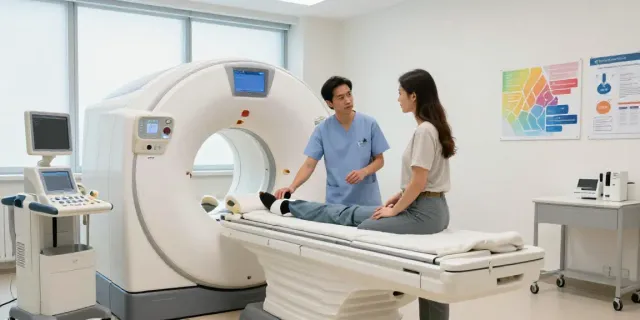
Cleveland Clinic Abu Dhabi is equipped with state-of-the-art facilities, incorporating advanced technology for diagnostics and treatment. This includes innovative imaging techniques and minimally invasive surgical options that can significantly enhance recovery times and improve surgical outcomes. Patients can expect a comfortable and supportive environment tailored to their specific needs.
Patient-Centered Care Philosophy
At the core of Cleveland Clinic Abu Dhabi's mission is a commitment to patient-centered care. This philosophy ensures that every patient is treated as an individual, with their preferences and values respected throughout the treatment journey. Continuous support is provided, ranging from pain management specialists to dieticians, enhancing the overall quality of life for patients undergoing treatment.
Common Symptoms of Esophageal and Stomach Cancer
Recognizing Early Signs of Esophageal Cancer
Common signs of esophageal cancer can include difficulty swallowing (dysphagia), unintentional weight loss, persistent chest pain, and changes in voice. In some cases, patients may experience a sensation of food being stuck in the throat or chest, which can be distressing. Recognizing these symptoms early and seeking medical advice is crucial for timely intervention.
Symptoms to Watch for in Stomach Cancer
Symptoms of stomach cancer often overlap with benign gastrointestinal issues, which can delay diagnosis. Key symptoms to look for include abdominal pain or discomfort, bloating, nausea, and changes in appetite. In advanced cases, patients may notice blood in their stools or vomit, indicating a severe health issue that requires immediate medical attention.
Importance of Reporting Symptoms Early
Patients are encouraged to communicate openly with their healthcare providers regarding any unusual symptoms, regardless of perceived severity. Early intervention can significantly alter the disease's trajectory and improve treatment outcomes, reinforcing the need for vigilance and proactive healthcare engagement.
Diagnosis and Screening Techniques
Advanced Diagnostic Procedures Used
A variety of advanced diagnostic procedures are employed to evaluate esophageal and stomach cancers. These may include endoscopies, where a thin tube with a camera is inserted into the esophagus or stomach, and biopsies, which involve taking tissue samples for further analysis. Such procedures are crucial for obtaining an accurate diagnosis and determining the appropriate treatment options.
Role of Imaging in Cancer Diagnosis
Imaging techniques such as CT scans, MRIs, and PET scans provide vital information about the location and extent of the cancer, helping oncologists develop effective treatment plans. These tools are indispensable in staging cancers, which directly influences treatment decisions and prognostic evaluations.
Importance of Regular Screening for High-Risk Patients
For individuals at high risk of developing esophageal and stomach cancers, regular screening can be a life-saving measure. Procedures like upper endoscopy are recommended for those with risk factors such as Barrett's esophagus or a family history of cancers. Engaging in regular check-ups can facilitate early detection, which is critical for successful outcomes.
Treatment Options and Care Plans
Overview of Surgical and Non-Surgical Treatments
Treatment for esophageal and stomach cancers often involves a combination of surgical and non-surgical options. Surgical treatments may include procedures to remove the tumor or a portion of the esophagus or stomach—known as esophagectomy or gastrectomy. Non-surgical treatments, including chemotherapy and radiation therapy, might be utilized to shrink tumors or manage symptoms, particularly in cases where surgery is not feasible.
Innovative Therapies in Esophageal and Stomach Cancer Treatment
Recent advancements in medical technology have introduced innovative treatment options, such as targeted therapy and immunotherapy. These approaches utilize the body's immune system or target specific molecular characteristics of cancer cells, offering hope for more effective treatments with potentially fewer side effects.
Importance of Personalized Treatment Plans
Each cancer patient is unique, and their treatment plans should reflect that individuality. Personalized treatment plans take into account various factors, including the type of cancer, its stage, and the patient's overall health profile. This tailored approach enhances the likelihood of successful outcomes and improves the overall patient experience.
What are the signs of esophageal cancer?
The signs of esophageal cancer often include difficulty swallowing, weight loss, and chest pain. Early recognition is key to improving survival rates, and patients are encouraged to seek medical advice if they experience these symptoms.
How is stomach cancer diagnosed?
Stomach cancer diagnosis typically involves a combination of endoscopic examinations and imaging studies, followed by biopsy to confirm cancer presence. Early diagnosis remains crucial for effective treatment.
What preventive measures can reduce cancer risk?
Preventive measures for reducing the risk of esophageal and stomach cancers include maintaining a healthy lifestyle, avoiding tobacco, and moderating alcohol consumption. Additionally, individuals should be alert to dietary choices and consider regular screenings if they are at higher risk.
What should I expect during cancer treatment?
Patients can expect a range of treatments tailored to their specific needs. These may involve hospital stays for surgical procedures or outpatient visits for chemotherapy. Supportive care services are also integral, helping patients manage any side effects and maintain their quality of life during treatment.
What resources are available for cancer patients?
Cancer patients have access to a variety of resources, including support groups, nutrition counseling, and psychological support services. Clinics like Cleveland Clinic Abu Dhabi prioritize holistic care, ensuring that patients receive comprehensive support throughout their cancer journey.