Understanding Automatic Bag Palletizer Machines
In the rapidly evolving landscape of manufacturing and logistics, the role of an automatic bag palletizer machine cannot be overstated. These machines play a crucial part in boosting efficiency and productivity by automating the process of stacking bags onto pallets. The significance of this technology is reflected in its ability to handle vast volumes of products with precision, ultimately improving overall operational workflows.
What is an Automatic Bag Palletizer Machine?
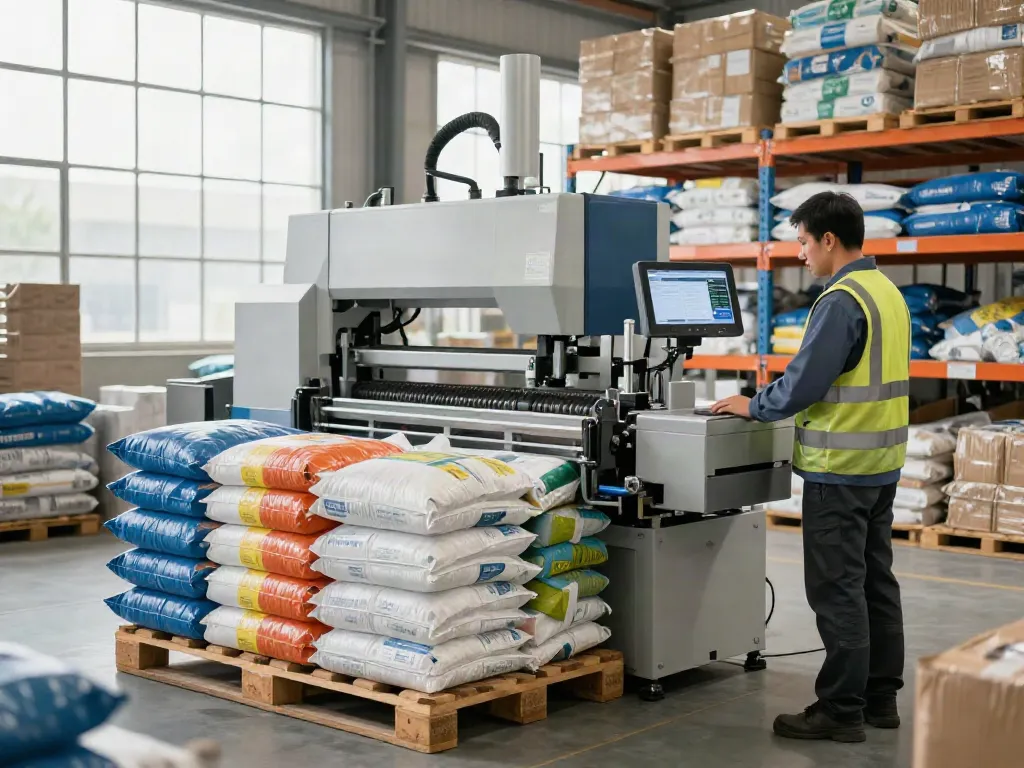
An automatic bag palletizer machine is designed to automate the labor-intensive process of stacking bags onto pallets at the end of a packaging line. By incorporating advanced robotics, these machines ensure that bags are handled efficiently, reducing manual labor and enhancing safety in the workplace. The typical setup involves a series of conveyor belts, sensors, and robotic arms that work in unison to execute the palletizing process seamlessly.
Types of Automatic Bag Palletizer Machines
Automatic bag palletizers come in various configurations, tailored to suit different production needs. The primary types include:
- Robotic Palletizers: These machines utilize robotic arms to stack bags, offering flexibility in handling various bag sizes and weights.
- Layer-type Palletizers: Ideal for high-speed operations, these machines stack bags in layers, optimizing the pallet configuration to maximize space.
- Column-type Palletizers: Suitable for smaller operations, these machines minimize footprint while still providing substantial functionality.
How Bag Palletizers Enhance Efficiency
The integration of automatic bag palletizers into production lines leads to numerous efficiency improvements. By automating the stacking process, businesses can drastically reduce the time spent on manual labor, which often leads to human error. Furthermore, the consistency provided by these machines ensures that each pallet is uniformly stacked, which is crucial for maintaining product integrity during storage and transport.
Benefits of Implementing an Automatic Bag Palletizer
Investing in an automatic bag palletizer machine presents several advantages, making it an attractive option for companies looking to improve their operational efficiency.
Cost Savings in Labor and Resources
One of the most significant benefits of utilizing an automatic bag palletizer is the potential for substantial cost savings. By reducing the need for manual labor in the palletizing process, companies can allocate resources more effectively. This not only lowers labor costs but also minimizes the risk of injuries that can arise from repetitive tasks.
Improved Accuracy and Consistency
Automatic bag palletizers are engineered to deliver precise stacking, ensuring that each bag is placed exactly where it needs to be. This level of accuracy minimizes product damage and ensures that pallets are stable, which is vital during transportation. Consistency in stacking also translates to better use of storage space, allowing businesses to optimize their warehouse layouts efficiently.
Scalability for Growing Businesses
As businesses expand, so do their production needs. Automatic bag palletizers are scalable solutions that can adapt to increased production demands without significant adjustments to existing operations. This scalability allows companies to grow confidently, knowing their palletizing solutions can keep pace with their growth.
Challenges in Selecting the Right Bag Palletizer
While the advantages of automatic bag palletizers are clear, selecting the right machine for your specific needs can present challenges.
Common Misconceptions about Automation
There are numerous misconceptions regarding automation, chief among them being the belief that automatic systems are prohibitively expensive or only suitable for large-scale operations. In reality, there are a variety of models available that cater to different business sizes and budgets.
Evaluating Production Volume Needs
When considering an automatic bag palletizer machine, it's essential to evaluate your current production volume and anticipate future growth. Understanding these metrics will help you select a machine that aligns with your operational needs, ensuring that you do not over or under-invest in your automation capabilities.
Integration with Existing Equipment
Seamless integration of a new bag palletizer with existing packaging and logistics equipment is crucial for maintaining operational efficiency. Companies should assess their current machinery and workflows to ensure compatibility and identify any necessary modifications before implementation.
Best Practices for Utilizing Bag Palletizers
To maximize the benefits of automatic bag palletizers, organizations should adopt best practices in their operation and maintenance.
Maintaining Optimal Performance
Routine performance checks and calibration of the palletizer will ensure that it operates at peak efficiency. Regular monitoring can identify potential issues before they manifest into larger problems, reducing downtime and maintenance costs.
Regular Maintenance and Upkeep
Like any machinery, automatic bag palletizers require regular maintenance to function optimally. Implementing a scheduled maintenance routine can prolong the life of the equipment and prevent unexpected failures that could disrupt production.
Training Staff for Effective Operation
While automatic bag palletizers reduce the need for manual labor, trained personnel are essential for monitoring the operations and handling any issues that may arise. Investing in training ensures that staff are equipped with the knowledge to operate the machinery safely and efficiently.
Future Trends in Bag Palletizing Technology
As technology continues to evolve, several trends are shaping the future of bag palletizing.
Advancements in Robotics and AI
Robotics and artificial intelligence are at the forefront of advancements in bag palletizing technology. Future machines are likely to employ sophisticated algorithms and machine learning to enhance productivity, adapt to varying product types, and minimize errors.
Sustainability Considerations
With an increasing focus on sustainability, palletizing systems are being designed to minimize waste and energy consumption. Innovations in material efficiency and recycling will become essential features of future bag palletizers.
Predictions for the Industry in 2026
As we look towards 2026, the bag palletizing industry is expected to witness significant growth driven by technological advancements, a push towards sustainability, and increasing demand for automation across various sectors. Companies that invest in innovative palletizing solutions today will be poised to thrive in the competitive landscape of tomorrow.
How much does a robotic palletizer cost?
The cost of robotic palletizers varies widely based on capacity, features, and manufacturer. Companies should consider their budget while also factoring in the long-term savings and efficiencies these machines promote.
What are the best automated bagging systems?
The best automated bagging systems depend on individual business needs, including volume, types of products, and integration capabilities. Selecting a system that aligns with your operational requirements is key.
What are the different types of palletizer machines?
Palletizer machines can be broadly categorized into robotic, layer-type, and column-type models. Each type has its specific advantages and is suited for different production environments.
What is palletizing automation?
Palletizing automation refers to the use of technology to automate the stacking of products onto pallets, enhancing efficiency, accuracy, and safety in packaging operations.
How can bag palletizers improve productivity?
Bag palletizers improve productivity by streamlining the stacking process, reducing manual labor, and ensuring consistent product handling, which minimizes downtime and errors.