Understanding Precision CNC Machining
Precision CNC machining has become an essential process in the manufacturing industry, pivotal for companies seeking high-quality parts with tight tolerances. This article explores the intricacies of precision CNC machining, including its definition, significance, and key technologies that drive the industry. Manufacturers, engineers, and project managers will find valuable insights into selecting the right precision cnc machining supplier and best practices to ensure project success.
What is Precision CNC Machining?
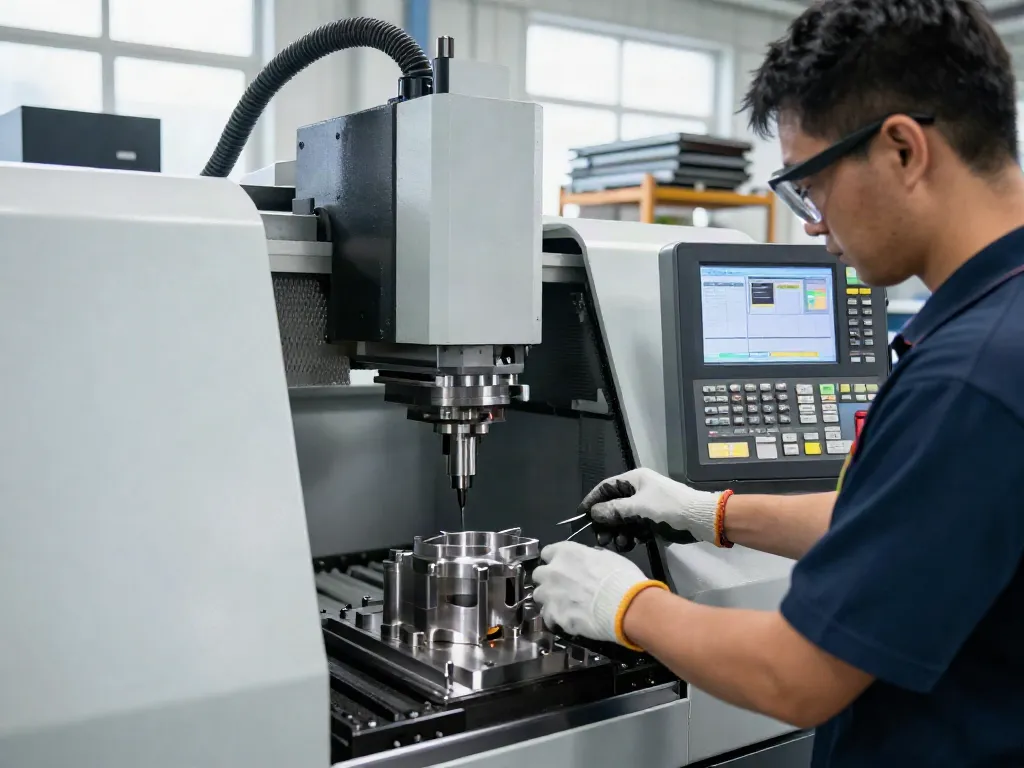
Precision CNC (Computer Numerical Control) machining refers to the automated control of machining tools via a computer program. It encompasses various processes, including milling, turning, and drilling, where machines operate with a high degree of accuracy. The CNC machines interpret design specifications from CAD (Computer-Aided Design) files, enabling manufacturers to create complex geometries consistently and efficiently.
The Importance of Precision in Manufacturing
Precision in manufacturing is not merely a preference; it is a necessity. Many industries, including aerospace, automotive, and medical, depend on parts that meet stringent specifications to ensure performance and safety. Even the slightest deviation in part dimensions can lead to failures, additional costs, or project delays. Therefore, choosing a reliable CNC machining supplier is crucial to meeting quality standards and customer expectations.
Key Technologies in CNC Machining
- Multi-Axis Machining: Advanced CNC machines can operate on multiple axes, allowing for the production of intricate parts with complex geometries.
- 3D Printing Integration: Combining CNC machining with additive manufacturing techniques can optimize production workflows and material usage.
- Automation and IoT: Integrating IoT technology facilitates real-time monitoring, enhancing machine efficiency and maintenance schedules.
Choosing the Right Precision CNC Machining Supplier
Finding the right CNC machining supplier can significantly impact your business's operational efficiency and product quality. There are several critical factors to consider when assessing potential partners.
Factors to Consider When Selecting a Supplier
- Experience and Expertise: Consider suppliers with a proven track record in your industry, well-versed in producing similar parts.
- Quality Certifications: Look for suppliers with certifications like ISO 9001, which indicate a commitment to quality management standards.
- Production Capabilities: Evaluate the range of services offered, including machining processes, materials, and technologies.
Evaluating Supplier Capabilities and Technologies
In addition to experience, it is essential to assess a supplier's technological capabilities. High-tech equipment and modern machining processes often correlate with the supplier's ability to meet demanding precision requirements. Inspect their machinery, ask about software used, and inquire about their maintenance routines to gauge reliability.
Understanding Pricing Structures for CNC Machining
Pricing in CNC machining can vary significantly based on factors such as part complexity, material choice, and production volume. Understanding the pricing structure will help you budget appropriately. Most suppliers will provide a cost breakdown, including setup charges, hourly rates for machine operation, and material costs.
Best Practices for CNC Machining Projects
Implementing best practices during CNC machining projects can enhance productivity while minimizing errors and waste. Below are several tips to ensure successful project execution.
Tips for Efficient CNC Machining Processes
- Comprehensive Planning: Develop a detailed project plan that includes timelines, resources required, and potential bottlenecks.
- Effective Communication: Maintain open lines of communication with your machining supplier to address any issues promptly.
- Design for Manufacturability: Optimize your CAD designs for CNC machining to reduce production complexity and costs.
Managing Quality Assurance in Machining Projects
Quality assurance is paramount in CNC machining. Implement regular inspections throughout the manufacturing process, including dimensional checks and material verification. Utilizing Statistical Process Control (SPC) can also help track and improve processes over time.
Real-World Case Studies: Successful CNC Projects
Several companies have successfully implemented precision CNC machining to improve product quality and operational efficiency. For instance, an aerospace company utilized multi-axis machining to create complex components that significantly reduced assembly time and improved overall aircraft performance.
Future Trends in CNC Machining for 2026
The CNC machining landscape is continually evolving, influenced by technological advancements and changing market demands. Understanding these trends is essential for staying competitive.
Emerging Technologies Shaping the Industry
- AI and Machine Learning: The integration of AI into CNC machining can predict machine failures and optimize machining processes.
- Advanced Materials: Development of new materials, such as composites and superalloys, presents challenges and opportunities for machining techniques.
- Enhanced Automation: Increased automation and robotics will likely redefine workflows, allowing for greater efficiency and reduced labor costs.
Sustainability in Precision Machining
As industries move toward sustainability, CNC machining processes are also adapting. Techniques such as minimizing waste through efficient material usage and energy-efficient machine operations are becoming more prevalent.
Predictions for CNC Machining Market Growth
Market analysts predict significant growth in the CNC machining sector as manufacturing continues to shift toward precision and customization. The increasing demand for components in innovative technologies, such as electric vehicles and renewable energy systems, will fuel this growth.
Common Challenges in CNC Machining
While CNC machining offers numerous advantages, several challenges can arise that manufacturers must address to ensure smooth operations.
Addressing Misconceptions in the Industry
There are several misconceptions surrounding CNC machining, one of which is that it is only suitable for high-volume production. In reality, CNC machining is versatile and can be effectively utilized for low-volume or custom parts as well.
Overcoming Technical Challenges in Precision Machining
Technical challenges can arise, such as managing tool wear and ensuring appropriate cutting speeds. Continuous training and the adoption of new technologies can help mitigate these issues.
Strategies for Continuous Improvement in CNC Processes
- Regular Training: Ensure that machinists receive ongoing training to stay updated on industry best practices and new technologies.
- Feedback Systems: Implementing feedback loops with operators can provide insights into potential improvements in the machining process.
What are the benefits of precision CNC machining?
The benefits of precision CNC machining are manifold, including high accuracy, repeatability, and the capability to produce complex parts efficiently. This technology allows manufacturers to lower costs while maintaining superior quality.
How to find a reliable CNC machining supplier?
Finding a reliable CNC machining supplier involves thorough research, including reviewing their portfolio, obtaining client references, and assessing their quality control measures. Partnerships built on transparency and communication often yield the best results.
What industries use CNC machining services?
CNC machining services are utilized across a diverse range of industries, including aerospace, automotive, medical devices, and electronics, due to their need for precision and reliability.
How has precision CNC machining evolved over the years?
Over the years, precision CNC machining has significantly evolved, incorporating advanced technologies such as cloud computing, IoT, and AI, which enhance machining capabilities and efficiency.
What role does technology play in CNC machining?
Technology plays a crucial role in CNC machining, from CAD design to automation and data analysis. Innovations in machine tools and software have vastly improved precision, speed, and flexibility in manufacturing processes.