Understanding the Original Source and Its Impact on Audio Quality
The audio industry has witnessed a resurgence in interest around analog sound, particularly among audiophiles who appreciate the subtleties of vinyl records. Central to this conversation is the concept of the original source, which signifies the purest form of a recording. This article will explore its significance, benefits, and influence on the quality of audio experiences. For those seeking insights into this topic, the original source provides a comprehensive understanding.
What is the Original Source?
The original source refers to the primary material from which a sound recording is made. In many cases, this material is a master tape or digital file that hasn't been altered or processed in any significant way. The goal is to capture the sound as faithfully and authentically as possible. This approach is especially prominent in the audiophile community, where collectors seek out vinyl records pressed from these original sources to ensure they experience the fullest range of sound quality.
Importance of Pure Analog Sound
Pure analog sound refers to sound that is recorded and reproduced without any digital processing. Proponents of analog sound assert that it captures the warmth and richness of music in a way that digital formats cannot replicate. The nuances of a live performance, the subtle variations in tone, and the ambient sounds that contribute to a recording's atmosphere are often best conveyed through analog mediums. This ensures that listeners can enjoy an experience that is true to the artist's vision.
Key Features of Audiophile Equipment
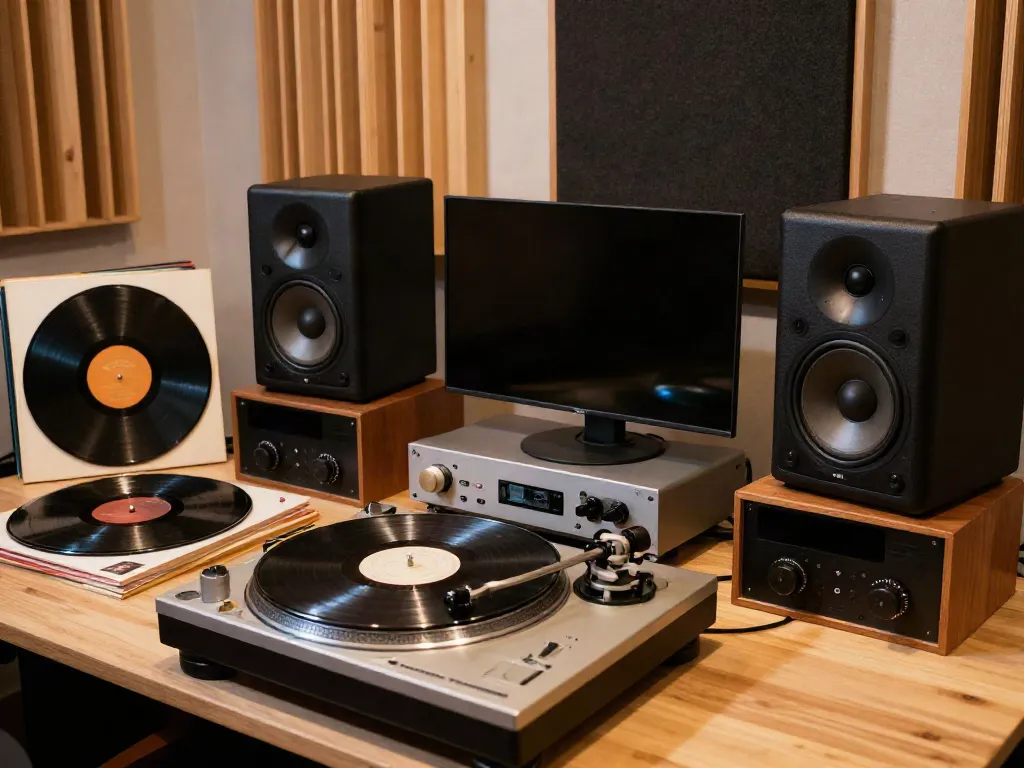
Audiophile equipment is specifically designed to enhance the listening experience. Some key features include:
- High-Quality Turntables: These turntables often come with precision tonearms and high-end cartridges that ensure accurate playback.
- Premium Speakers: Speakers that reproduce a wide range of frequencies provide a richer sound and deeper immersive experience.
- Signal Processing: Some audiophile setups use minimal signal processing to preserve the integrity of the sound.
Benefits of Collecting Vinyl in 2026
As we move further into the digital age, vinyl records have emerged as a unique medium with several benefits. Collectors are increasingly recognizing the value of tangible music experiences, leading to a renaissance in vinyl culture.
Why Vinyl Records Matter Today
Vinyl records offer an experience that is fundamentally different from digital music. The sensory engagement of holding a record, placing it on a turntable, and listening to it play on high-quality equipment creates a ritual that many music lovers cherish. This immersive experience helps cultivate a deeper connection with the music.
Emotional Connection Through Physical Media
Vinyl records enable listeners to form emotional connections with music that digital formats often lack. The physicality of vinyl—its size, artwork, and the act of flipping the record—adds a layer of sentimentality and nostalgia. Collectors often find joy in the hunt for rare releases, contributing to a sense of community and shared passion.
Long-Term Value of Vinyl Collections
Investing in vinyl records can yield long-term benefits. As digital music continues to dominate, unique and rare vinyl can increase in value over time. This makes it not only a personal collection but potentially a worthwhile financial investment.
Challenges Audiophiles Face with the Original Source
While the pursuit of high-quality sound is noble, audiophiles often encounter challenges in their quest for the original source of recordings.
Common Misconceptions About Vinyl
Many people believe that all vinyl sounds better than digital, but this isn't always true. Factors such as the quality of the pressing, the mastering process, and the condition of the record can significantly impact sound quality. Not all vinyl records are created equal, and it's crucial for collectors to be discerning.
Maintaining Equipment for Optimal Performance
Proper maintenance of audio equipment is vital to achieving the best sound quality possible. This includes regular cleaning of records, proper alignment of cartridges, and ensuring that speakers are positioned correctly. Neglect can lead to diminished sound quality and a frustrating listening experience.
Handling and Caring for Vinyl Records
Although vinyl records are durable, they require careful handling. Storing records vertically, keeping them away from direct sunlight, and using anti-static sleeves can greatly enhance their longevity and performance. This attention to detail ensures that you can enjoy your collection for years to come.
Best Practices for Enhancing Listening Experiences
Creating the ideal listening environment and selecting the right equipment can elevate your audio experience significantly.
Setting Up the Ideal Listening Environment
The right environment plays a crucial role in audio quality. Consider factors such as room acoustics, speaker placement, and ambient noise. Soft furnishings can help reduce echoes and improve sound clarity, while dedicated listening rooms can take the experience to new heights.
Choosing the Right Equipment for Your Needs
Investing in high-quality audio equipment that suits your listening preferences is essential. Researching turntables, amplifiers, and speakers that align with your budget and sound expectations will lead to a more satisfying experience.
Creating Playlists That Elevate Your Collection
Thoughtfully curated playlists can enhance the listening experience. Consider themes, moods, or historical contexts to create a narrative in your collection. This not only showcases your vinyl but also engages listeners on a deeper level.
Future Trends in Audiophile Culture
The audiophile community continues to evolve, influenced by both technological advancements and changing consumer preferences.
Predictions for Audiophile Technologies in 2026
As we look ahead, several technological innovations could transform the way we experience audio. Enhanced formats with improved sound quality, smart turntables that connect with digital libraries, and immersive audio technologies like surround sound are on the horizon.
Emerging Artists and Their Influence on Vinyl Sales
New artists are embracing vinyl as a medium for their music, leading to a diversification of available records. This trend has rejuvenated interest in vinyl among younger collectors and encourages established artists to release special editions, further fueling the vinyl renaissance.
How Streaming Services Affect Vinyl Collecting
The rise of streaming services has affected the music industry significantly, but it hasn't diminished the desire for physical media. Many listeners now use streaming as a way to discover music before buying vinyl, ensuring that they invest in albums that resonate with them. This hybrid approach is likely to define the future of music consumption.
What is the original source in audio production?
The original source in audio production refers to the first-generation recording material, which is critical for achieving high-quality sound reproduction. It serves as the foundation for all subsequent copies and is paramount for audiophiles seeking authenticity in their listening experience.
Where can I find high-quality vinyl records?
High-quality vinyl records can often be found through specialized record stores, online marketplaces, and websites that cater specifically to audiophiles. Collectors are encouraged to seek out reputable sellers who prioritize sound quality in their offerings.
How does the original source impact sound quality?
The original source directly influences sound quality by determining the fidelity of the recording. When high-quality master tapes or files are used, the resultant sound is richer and more accurate, encapsulating the artist's intent more faithfully.
What are the benefits of analog sound over digital?
Analog sound is often celebrated for its warmth, depth, and dynamic range. Vinyl records can convey subtle details that digital formats may compress or lose, offering listeners a more immersive experience.
Can I mix digital and analog sources effectively?
Mixing digital and analog sources is possible, but it requires careful consideration of equipment and signal paths. Maintaining the integrity of the analog sound while incorporating digital elements can be challenging and may require specialized gear.