The Fascination Behind Celebrity Look-Alikes
In an era driven by image and identity, the curiosity surrounding celebrity look-alikes has surged to new heights. The age of social media and advanced technology allows everyday individuals to explore their resemblance to famous personalities, creating a blend of intrigue and entertainment. Understanding why people are fascinated by who they look like is not merely a casual observation; it unveils deeper psychological and social dimensions. Whether for fun, validation, or social connection, the phenomenon captivates many. When exploring options, looks like a celebrity captures this interest uniquely, tapping into the universal desire to connect through likeness.
Understanding the Concept of Celebrity Resemblance
Celebrity resemblance is often defined by the similarities in facial features, expressions, and sometimes even mannerisms. The idea that people can look like celebrities stems from the concept of facial recognition, where our brains recognize patterns and features that resemble each other. This phenomenon has led many to wonder if they share a striking similarity with their favorite movie stars or musicians. Facial shapes, skin tones, and eye color often play significant roles in these comparisons, allowing algorithms in apps to analyze and match features effectively.
Why People Are Curious About Who They Look Like
The urge to find a celebrity look-alike is driven by several factors. First, it is a form of self-exploration. People often seek to understand their identities through comparison with public figures. Additionally, there is a social element involved; discovering a look-alike can provide an instant conversation starter, fostering connections in social settings. Lastly, the validation received from resembling a well-known personality brings a sense of pride and enjoyment, as individuals can embrace the glamour often associated with fame.
The Social Implications of Celebrity Look-Alikes
The implications of celebrity look-alike curiosity stretch beyond mere entertainment. Psychologically, they can bolster self-esteem and social identity. For instance, someone who is told they resemble a Hollywood star may feel more validated in their appearance, which can enhance their confidence in social environments. However, this fascination also raises concerns about unrealistic beauty standards, as people may strive to alter their looks to fit those of their celebrity counterparts. Social media platforms amplify this effect, encouraging individuals to share their look-alikes and receive affirmation from peers.
How Celebrity Look-Alike Apps Work
The advent of technology has made celebrity look-alike apps increasingly popular. These applications utilize advanced algorithms and facial recognition technology to help users find their celebrity twins. Understanding the inner workings of these apps can enhance the user experience and provide insights into how such technology evolved.
Technology Behind Facial Recognition and AI
At the core of celebrity look-alike apps lies sophisticated artificial intelligence (AI) that analyzes facial structures. Technologies such as deep learning and neural networks allow these apps to process images, comparing thousands of facial features in mere seconds. The AI algorithms assess key indicators like the distance between eyes, chin shape, and overall symmetry, generating matches that even seasoned data analysts might find impressive.
Step-by-Step Process: Uploading Your Photo
Using a celebrity look-alike app often follows a straightforward process:
- Upload a clear photo of yourself.
- Allow the app a few moments to analyze your facial features.
- Receive results showcasing the most similar celebrities along with a similarity percentage.
This intuitive process allows users to engage quickly and effectively, promoting a fun and interactive experience.
How to Interpret Look-Alike Results
When you receive your results, it's essential to understand what the percentages indicate. A higher match percentage suggests a closer resemblance based on the analyzed features, while lower percentages might indicate just minor similarities. Additionally, many apps provide a selection of celebrity images alongside your results, allowing for a visual comparison that can be both amusing and enlightening. Users should approach results with humor and an open mind, enjoying the blend of technology and personality exploration.
Top Celebrity Look-Alike Apps in 2026
The market for celebrity look-alike applications has blossomed, with numerous contenders vying for attention. This section reviews some of the leading apps of 2026, highlighting their unique features and user experiences.
Comparative Review of Leading Apps
In 2026, a few prominent apps stand out:
- StarByFace: A highly-rated app that employs neural networks to compare user photos against a massive celebrity database.
- Celebs: Available on both iOS and Android, this app boasts a user-friendly interface, making it enjoyable for all ages.
- Fotor: Known for its rapid results, Fotor's app uses advanced face analysis technology, enhancing user engagement.
Each of these applications offers unique features catering to varying user preferences, ensuring there is something for everyone in the search for their celebrity twin.
User Experiences: What Users Are Saying
User feedback on celebrity look-alike apps reveals an exciting array of experiences. Many users report delight in finding unexpected matches, with comments often reflecting surprise or amusement. Others appreciate the social aspect, sharing results on social media platforms and engaging friends in playful comparisons. However, some users express concerns regarding accuracy, with varying results depending on photo quality and lighting conditions.
Pricing and Features Breakdown
Most celebrity look-alike apps offer free versions with basic features, often enhanced by premium subscriptions that unlock additional functionalities. For instance, paid versions may allow users to access an expanded celebrity database, higher-resolution image processing, and personalized recommendations based on user preferences. This tiered approach often ensures that everyone can participate in the fun, regardless of budget constraints.
Challenges and Misconceptions About Celebrity Look-Alike Tools
While celebrity look-alike tools are entertaining, they also come with challenges and misconceptions that users should be aware of. Understanding these can lead to a more informed and enjoyable experience.
Privacy Concerns with App Usage
As with any technology that utilizes personal images, privacy is a critical concern. Users must be aware of how their photos are stored and used. Many apps have privacy policies that outline their data handling practices, but users should always read these carefully to safeguard their personal information. Opting for apps that prioritize data protection is advisable for peace of mind.
Common Misunderstandings About Accuracy
A frequent misconception is that these apps are 100% accurate. In reality, results can vary significantly based on several factors, including image quality and the app's underlying technology. Users should approach results with a degree of skepticism and understanding that while the technology is advanced, it is not infallible.
Debunking Myths Surrounding Celebrity Matching Techniques
Many myths surround how look-alike matching is performed. One common myth is the belief that look-alike technology can identify a match just based on clothing or hairstyle. In truth, the algorithms focus strictly on facial features, and while they can be quite sophisticated, they are not designed to analyze context beyond what can be seen in a photo.
Future Trends in Celebrity Look-Alike Technology
The evolution of celebrity look-alike technology shows no signs of slowing down. As we look to the future, several exciting trends are emerging that might redefine how we understand celebrity resemblance.
Emerging Features and Innovations to Watch For
In upcoming years, we can anticipate the integration of augmented reality (AR) within look-alike apps, allowing users to see themselves alongside their celebrity matches in real-time. Additionally, features incorporating video analysis may enable users to find celebrity duplicates not only in still images but also during live interactions.
How Social Media Influences Look-Alike Popularity
The rise of social media platforms has been instrumental in popularizing celebrity look-alike apps. With hashtags trending and challenges emerging, users have harnessed these platforms to share their experiences. The virality of such content encourages more users to participate, creating a cycle of engagement and curiosity.
Predictions for Celebrity Matching Technology in 2026 and Beyond
Looking ahead to 2026 and beyond, predictions suggest that celebrity matching technology will become even more sophisticated, incorporating deeper learning models that better understand cultural nuances in beauty and resemblance. As technology continues to advance, we may see more personalized recommendations based on user data and preferences, creating a more tailored experience.
What is it called when you look like a celebrity?
Celebrities often refer to those who resemble them as "look-alikes" or "doppelgangers." This term encompasses anyone whose physical appearance closely mirrors that of a famous individual, appealing to a wide audience intrigued by similarities.
How do you say you look like a celebrity?
When expressing a resemblance, people might say, "I look like [celebrity's name]" or "I get told I resemble [celebrity]." This casual phrasing allows for easy conversation while sharing the fun of celebrity comparisons.
Why do people say I look like a celebrity?
Comments about looking like a celebrity can stem from a combination of factors, including shared facial features, similar hairstyles, or even fashion choices. The subjective nature of resemblance makes these observations personal, leading to varied interpretations and reactions.
Who is a celebrity lookalike?
A celebrity lookalike refers to an individual whose appearance closely matches that of a well-known public figure. While some people naturally resemble stars, others may enhance their looks through makeup, styling, or even surgery to mimic certain aspects of their favorite celebrities. This trend has led to a subculture of lookalikes in various entertainment sectors.
What celebrity do I look like upload photo?
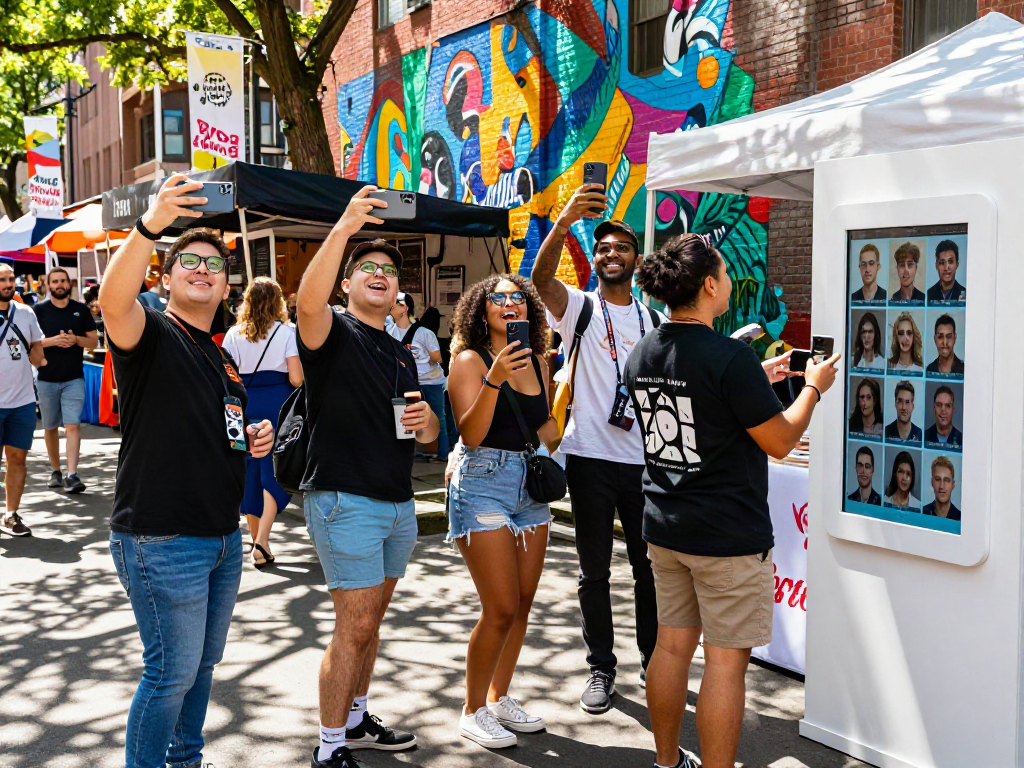
Many people use apps specifically designed for this purpose, allowing users to upload their photos and receive instant feedback about which celebrity they resemble. The appeal lies in the instant gratification of finding a match and sharing results with friends.